
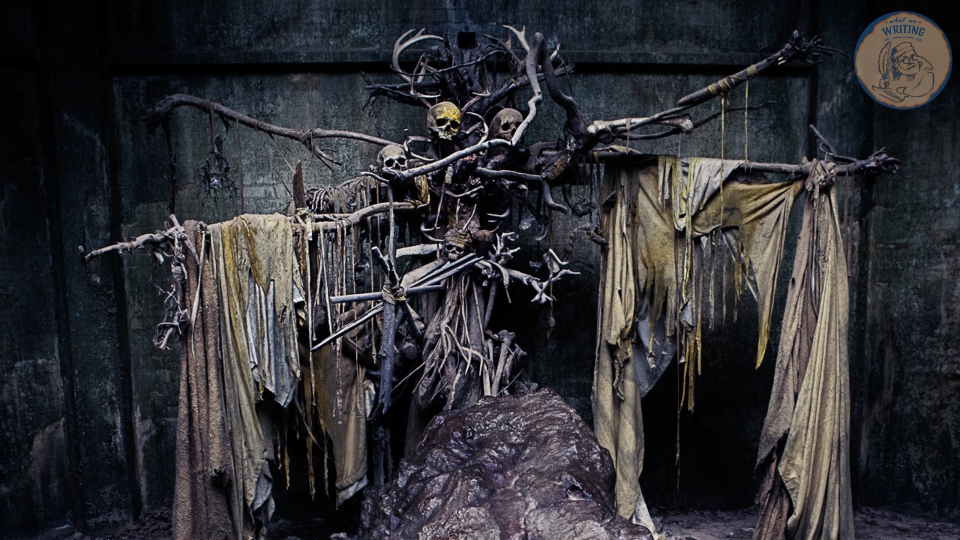
Folk horror is a subgenre of horror that draws on fear from folklore, ancient traditions, isolated communities, and the unsettling power of the natural world. Instead of leaning on jump scares and gore, folk horror evokes a sense of creeping dread, often exploring what happens when modern people collide with beliefs and customs that seem to belong to another age.
The genre has made a bit of a comeback in recent years, largely on the back of films like The Witch, Midsommar, and The Wicker Man, as well as an emerging taste for stories grounded in myth, landscape, and cultural memory. These works serve to illustrate how some of the most powerful horror emerges not from monsters, but from traditions that feel eerily plausible.
Today at What We Writing, we’re lifting the lid on this fascinating genre. We’ll share how to write folk horror by drawing on folklore, creating atmospheric settings, developing secretive communities, crafting memorable rituals, and building slow-burning tension that defines this creepy type of story.
What Is Folk Horror?
Folk horror is a horror subgenre that draws its scares from folklore, superstition, rural traditions, and the unsettling relationship between people and the land they inhabit. Folk horror can still feature supernatural elements; however, its terror typically stems from ancient beliefs, secretive communities, and customs that have been passed down through generations without question.
Core Elements of Folk Horror
Several key characteristics crop up time and time again in folk horror stories. Isolation is maybe the most crucial of these. Characters are normally cut off from the outside world, whether by geography, social pressure, or a mix of both. Folklore and superstition also play a large role, with local legends, myths, and warnings moulding the story’s events.
Community traditions are another hallmark here. Villages and close-knit groups may follow rituals that appear harmless originally but soon reveal a darker purpose. There’s also an exploration of what happens when the old and new collide, placing modern characters in conflict with ancient customs and beliefs.
Finally, nature is typically shown to be a malevolent force – vast, indifferent, and far older than humanity.
How Folk Horror Differs From Traditional Horror
Unlike other types of horror, folk horror is less interested in sudden shocks and jump scares. Instead, it emphasises atmosphere, unease, and the slow build-up of dread. As readers, we are encouraged to question what is real, what is believed, and what may be lurking just beneath the surface of everyday life.
Many of the best folk horror examples generate their scares through culture and tradition rather than through monsters or ghouls alone. The end result is a deeply psychological form of horror that stays with you long after the final chapter is closed, making us wonder whether some old beliefs are best left undisturbed.
Start With A Local Legend Or Piece Of Folklore
One of the best ways to write folk horror is to build your story around a local legend, superstition, or piece of folklore. These tales feel authentic because they match the way we in the real world pass down stories from one generation to the next. Even when we know a myth is made up, it can still carry a sense of realism if it is grounded in a place, culture, or shared history.
Why Folklore Creates Genuine Fear
Folklore resonates with us because it usually represents a community’s deepest worries, values, and beliefs. A warning about entering an off-limits forest, disturbing an ancient monument, or breaking a long-held tradition has the potential to be far more disturbing than a random supernatural threat. These types of stories gain power through repetition, becoming part of a community’s identity, and evoking an emotional connection that readers immediately get.
Creating Your Own Myth
If you’re choosing to create your own folk horror mythology, think beyond monsters. Invent rituals that locals perform without question, create warnings that children are taught from a young age, and develop symbolic creatures that embody the fears of that region. The strongest myths are the ones that leave space for uncertainty, allowing readers to wonder whether the legend is purely a story, or something potentially more dangerous.
Example: The Black Tree No One Touches
In a remote village, a twisted black tree stands alone on the edge of a moor. No one is permitted to touch it once the sun goes down. Locals refuse to elaborate on why, and those who ignore the warning are never seen in the surrounding hamlet again.
Check Out Our Guide On How To Use Mythology And Folklore In Your Writing
Build An Isolated And Atmospheric Setting
Setting is one of the most crucial elements to building a folk horror story. The landscape needs to feel like more than just a backdrop – it should feel alive, moulding the characters’ lives and influencing the events that unfold. A strong setting creates unease long before anything spooky starts to happen.
Rural Villages
Small villages are a staple in folk horror because they naturally foster secrecy and traditions. Outsiders stick out as sore thumbs, and long-held customs can thrive without outside influence. The sense that everyone knows something that your protagonist doesn’t can be palpably unsettling.
Forests and Ancient Woodlands
Dense forests and ancient woodlands evoke mystery and danger. Hidden paths, forgotten landmarks, and the feeling of being watched can all upend a simple walk into a source of dread. The landscapes have a knack for feeling older and more powerful than the people who enter them.
Coastal Communities
Remote fishing villages and rugged coastlines lend a different sort of isolation. Harsh weather, treacherous waters, and local superstitions can create an atmosphere of uncertainty and fear.
Remote Farms and Moorlands
Vast moors and isolated farms emphasise vulnerability. With little to no neighbours and even less connection to the outside world, characters immediately feel alone. In folk horror, nature usually becomes a character in its own right – ancient, unpredictable, and indifferent to human concerns. The more isolated the setting, the more exposed your characters become to whatever horror awaits them.
Create Communities With Secrets
A defining feature of folk horror is the presence of a close-knit community that may appear welcoming to begin with, but conceals something disturbing beneath the surface. In many instances, the villagers become more terrifying than any supernatural threat; this is largely due to them acting as a collective, united by shared beliefs and traditions that we as the outsiders neither share nor fully understand.
Why Villagers Are Often More Frightening Than Monsters
Fear usually comes from collective silence. Characters spot odd behaviour, ask reasonable questions, and are usually just served up some knowing smiles and vague answers. Shared traditions help reinforce this unease, particularly when everyone in the community takes part without any hesitation. Hidden agendas can hide behind seemingly harmless customs, while suspicion towards outsiders creates a feeling of isolation, even when the protagonist is surrounded by people.
Writing Effective Folk Horror Antagonists
Folk horror antagonists don’t have to be obvious villains. Village elders may act as guardians of ancient knowledge, while cult leaders could front as respected members of their community. Teachers, priests, farmers, or other trusted figures may all play a part in maintaining dangerous traditions.
In some stories, the true antagonist isn’t a person at all, but tradition itself. Customs that have been followed for generations can become an oppressive force, compelling normal people to commit extraordinary acts in the name of preserving the past.
Use Rituals, Customs, And Symbolism
Rituals and symbols give folk horror its distinctive identity. They help create the sense that a community is governed by ancient rules and beliefs that existed long before the protagonist arrived. The more embedded these customs feel, the more unsettling they become.
Designing Memorable Rituals
Effective rituals should feel meaningful to those who practice them. Seasonal celebrations tied to harvests, solstices, or changing weather can all provide believable foundations for darker events that follow. Some traditions may involve sacrifices, whether symbolic or literal, while others orbit around ceremonial objects like carved effigies, masks, or relics handed down from generation to generation.
Local taboos are equally important. A village may forbid entering a certain woodland, speaking a particular name, or performing everyday tasks on specific dates. These restrictions create mystery and instantly raise questions in your audience’s mind.
Choosing Effective Symbols
Symbols allow you to reinforce themes without constantly explaining them. Animals such as crows, hares, or stags can carry cultural and mythological significance. Ancient trees may represent memory, sacrifice, or hidden knowledge, while masks can symbolise the loss of identity and submission to tradition.
Stone circles, standing stones and other prehistoric landmarks are especially effective because they point to a history that extends well beyond living memory. The best symbols appear throughout the story, steadily taking on deeper and more unsettling meanings as the horror unfolds.
Let The Dread Build Slowly
One of the staples of folk horror is its slow, deliberate pace. Instead of overwhelming readers with immediate danger, this genre creates fear through a gradual accumulation of unsettling details. This approach allows tension to build naturally, making the eventual reveal far more impactful.
The Power of Slow-Burn Horror
Begin with a few small moments that feel slightly off rather than overtly threatening. A villager may abruptly change the subject, an abandoned shrine hidden in the woods, or a local warning that nobody will explain all generate escalating unease. As the story unfolds, introduce some strange observations that challenge the protagonist’s understanding of their surroundings.
Contradictory information is particularly effective here. Different characters might offer conflicting accounts of a local legend, leaving both the protagonist and the audience unsure of what to believe. This uncertainty fuels growing paranoia, encouraging us to question every detail and interaction.
What to Reveal – and When
Resist the urge to explain everything too early. Each reveal should answer one question, but raise another. Allow clues to emerge gradually through dialogue, folklore, and discoveries within the setting. By withholding key information until the right moment, you maintain suspense and keep your audience hooked. In folk horror, what remains hidden is usually more frightening than what is immediately seen.
Make Nature Feel Ancient And Indifferent
Nature is a powerful force in folk horror because it reminds characters of their insignificance. Dense forests, windswept moorlands, and untamed coastlines can all feel ancient compared to the brief lives of the people who inhabit them. Instead of serving as a backdrop, the landscape should influence the story and contribute to the sense of unease.
Wilderness can become a threat in its own right. Characters may lose their way, uncover forgotten places, or encounter evidence of rituals hidden from the modern world. Seasonal cycles can also reinforce the story’s themes, with harvests, solstices, and changing weather acting as reminders that nature follows its own timeless rhythms.
Environmental storytelling is particularly effective in a folk horror setting. Crumbling stone circles, weathered shrines, unusual animal behaviour, or ancient trees marked with symbols can hint at a deeper history without lengthy exposition. These details suggest that the land remembers things people have forgotten – and that some secrets are still waiting beneath the surface.
Develop Characters Caught Between Two Worlds
At the heart of the best folk horror stories is a character caught between the modern world and an older way of life. This conflict creates tension because the protagonist often struggles to understand a community, tradition, or belief system that operates under unfamiliar rules.
The Outsider Protagonist
The outsider protagonist is a common staple in the realm of folk horror because they allow the audience to uncover the unsettling world alongside them. This character may be a researcher investigating local history, a traveller passing through an isolated village, a journalist searching for a story, or a returning local reconnecting with a place they once left behind.
Their unfamiliar perspective opens the door for mystery and discovery. They can ask questions that locals refuse to answer, and spot details that long-time residents have chosen to ignore.
The Conflict Between Modernity and Tradition
The clash between modern ideals and ancient customs is one of the genre’s defining themes. Folk horror often explores what happens when progress, technology, and outside influence collide with deeply rooted traditions. However, steer clear of depicting old traditions as simply primitive or foolish. The most effective folk horror books show why communities hold onto their customs – and why abandoning them may have consequences.
This creates a more complex horror, where the greatest fear stems from being caught between two incompatible worlds.
Common Mistakes When Writing Folk Horror
Writing effective folk horror demands more than just conjuring together an isolated village, an ancient custom, or a mysterious creature. The genre relies on atmosphere, authenticity, and a careful blend of mystery and explanation. Avoiding some of these common pitfalls can help make your story feel more original and unsettling.
Relying on Generic Cults
While secretive groups can be effective, a vague cult with no real purpose can soon become predictable. Strong folk horror communities should have their own unique history, beliefs, and reasons for following their traditions. The horror comes from understanding why people participate, not just that they do.
Ignoring Local Culture
Folk horror thrives in the strong connection between people and place. Borrowing folklore without understanding its cultural significance can make a story feel shallow. Whether using real traditions or creating fictional ones, build a believable relationship between the community, its history, and its environment.
Revealing Too Much Too Early
Mystery is one of folk horror’s biggest strengths. Avoid explaining every legend or supernatural element immediately. Allow readers to piece together the truth through clues, rumours, and unsettling discoveries.
Mistaking Slow Pacing for No Pacing
A slow burn should still create movement. Even quiet scenes should introduce tension, reveal character, or deepen the mystery. Atmospheric writing is crucial, but every moment should haul your readers further into the story’s growing sense of dread.
Writing Prompt: Create Your Own Folk Horror Story
Ready to write your own folk horror story? Start off by combining a familiar place with an unsettling mystery that has been passed down through generations.
Location: Choose an isolated setting – a forgotten village, ancient woodland, abandoned farm, or remote coastline.
Local legend: Create a story that locals have whispered about for decades. What happened there, and why does everyone steer clear of talking about it?
Ritual: Design a tradition, celebration, or ceremony that the community continues to practice. What darker purpose might it hide?
Protagonist: Choose an outsider who discovers the truth – a journalist, researcher, traveller, or returning local.
Inciting Incident: What event forces them to investigate? Perhaps a missing person, a strange discovery, or a warning they chose to ignore.
Remember: the most effective folk horror begins with a simple question – what if the stories everyone dismisses as myths are actually true?
FAQs
What Are The Key Elements of Folk Horror?
The key elements of folk horror include isolation, folklore, ancient traditions, secretive communities, unsettling rituals, and a strong tie between people and the natural world. The genre often explores the conflict between modern life and older beliefs.
Can Folk Horror be Set in a Modern World?
Yes. While many folk horror stories take place in rural or historical environments, the genre can work just as well in the modern world. A contemporary town, online community, or urban neighbourhood can still contain hidden traditions, forgotten histories, and disturbing beliefs.
What is The Difference Between Folk Horror And Gothic Horror?
Both genres employ atmosphere, mystery, and the fear of the unknown, but they focus on different sources of horror. Gothic horror explores haunted locations, decay, and psychological darkness, while folk horror emphasises communities, folklore, rituals, and the relationship between humans and nature.
Do Folk Horror Stories Need Supernatural Elements?
Nope. Some folk horror stories include supernatural forces, but others evoke fear through human behaviour, cultural traditions, and psychological tension. The uncertainty of whether something supernatural is happening can often make the horror even more palpable.
What Are Some Famous Folk Horror Examples?
Popular folk horror examples include The Wicker Man, The Witch, and Midsommar. These works demonstrate how folklore, isolation, and community beliefs can create lasting fear.
Wrap Up
Writing folk horror is about creating fear from the things that feel ancient, familiar, and just outside our understanding. The strongest stories combine unsettling settings, forgotten traditions, secretive communities, and characters caught between the past and present.
Whether you create your own folklore or draw inspiration from real-world myths, focus on building atmosphere and leaving room for uncertainty. Great folk horror doesn’t rely on the monsters or violence – it explores humanity’s relationship with belief, nature, and the stories we share with each other. Sometimes, the oldest legends are frightening because there may well be some truth hidden within them.
Check Out Our Guide On How To Write Short Horror Stories

James has been passionate about storytelling ever since he could hold a pen. Inspired by the epic fantasy and historical dramas he devoured in his youth, his work now centers on dark, psychological tales featuring intense, introspective characters and atmospheric, gothic undertones. In 2025, he founded What We Writing to share his creative journey and the lessons he’s learned along the way with fellow writers and passionate storytellers.

