
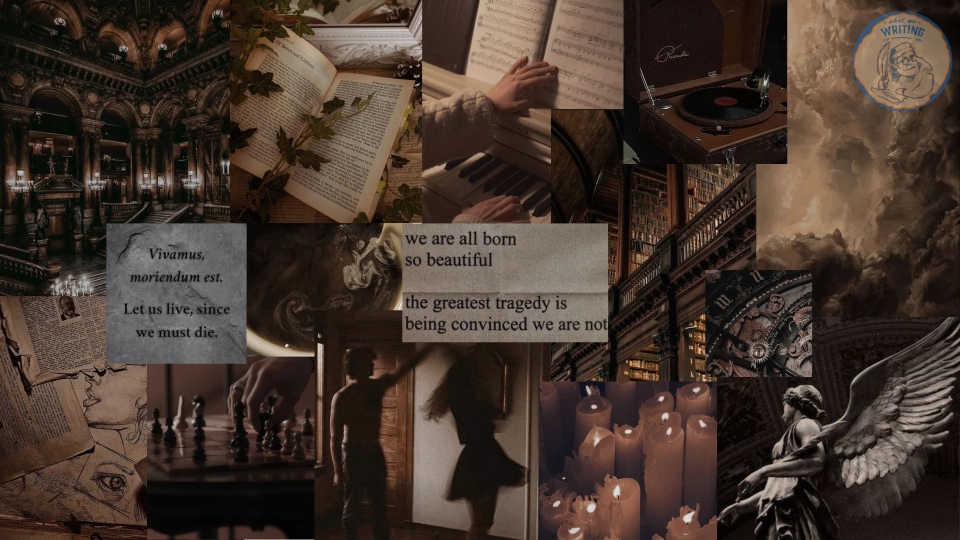
Dark academia is far more than tweed jackets, candlelit libraries, and rainy university campuses. At its heart, it’s a literary and cultural aesthetic that explores the pursuit of knowledge, intellectual ambition, beauty, and the darker consequences that can follow in their wake. If you’ve spent any time on this site, you’ll know we’re huge suckers for the genre, so we thought we would break down all the iconic dark academia tropes, delving into the recurring themes, character archetypes, and story that elements that help make this world shine.
Tropes play an important role because they help us spot the atmosphere and emotional appeal of dark academia stories. Whether it’s a secret society, a charismatic professor, forbidden knowledge, or a brilliant but troubled prodigy, these familiar elements shape the genre’s distinctive identity.
From books like The Secret History and Babel to movies such as Dead Poets Society, dark academia has evolved into a thriving online community that celebrates both intellectual curiosity and gothic aesthetics. Join us for the best dark academia tropes, the themes that bound them together, and why they continue to captivate us.
What Is Dark Academia?
So, what is dark academia? At its core, dark academia is a literary and cultural movement that romanticises learning, intellectual curiosity, and the pursuit of knowledge while exposing the darker and emotional consequences that accompany them. As both a storytelling style and a dark academia aesthetic, it blends classical literature, elite academic settings, gothic architecture, and themes of ambition, obsession, and moral complexity.
We can trace the origins of dark academia to classic works of literature that delve into education, philosophy, and human nature. Influences range from ancient Greek and Roman texts to nineteenth-century Gothic novels and modern literary fiction.
In more recent times, works such as Donna Tartt’s The Secret History have become the defining works of dark academia, popularising many of the themes we now associate with the dark academia genre, including secret societies, intellectual elitism, and dangerous obsession.
Whilst there are some natural similarities between dark academia and gothic fiction, the two aren’t quite the same thing. Gothic stories typically focus on supernatural elements, horror, and the unknown, while dark academia places education, scholarship, and intellectual ambition at the heart of its narratives. The atmosphere may be equally dark and mysterious, but the source of tension usually stems from the people, rather than any monsters or ghouls.
We are drawn to dark academia as creatives because it transforms learning into something dramatic, beautiful, and emotionally charged. The genre offers an escape into candlelit libraries after dark, prestigious universities steeped in history, and close-knit circles of scholars, all while depicting universal themes like identity, belonging, ambition, and the cost of pursuing knowledge, no matter the cost.

Check Out Our Guide On How To Write Dark Academia
What Makes A Trope “Dark Academia”?
A trope becomes “dark academia” when it blends a love of learning with darker elements like obsession, ambition, secrecy, or personal sacrifice. While many stories are set in schools, feature books, or have intelligent characters, dark academia sets itself apart on the back of its unique atmosphere and emphasis on the hidden costs of knowledge.
At the core of many dark academia tales is intellectual obsession. Characters are fuelled by a relentless desire to understand, achieve, or discover something, even when that pursuit becomes unhealthy. These narratives also embrace the contrast between beauty and decay, coupling elegant surroundings like historic libraries, elite universities, and classical architecture with corruption, tragedy, and loss.
Another defining feature is the presence of elite institutions. Exclusive schools, academic societies, and privileged social circles all create environments where ambition and competition collide. At the same time, dark academia storylines rarely lay out clear heroes and villains to root for. Rather, they explore moral ambiguity, forcing characters to make tough decisions and confront the consequences when they make them.
Finally, dark academia is known for its romanticised view of learning, depicting education, literature, art, and philosophy as transformative forces that can deal out both inspiration and destruction.
Popular elements of dark academia tropes include:
- Obsession with knowledge and intellectual achievement
- Prestigious schools, universities, or secret societies
- Beautiful yet decaying settings and atmospheres
- Morally complex characters and difficult choices
- A romanticised appreciation for literature, art, and scholarship
When these elements come together, they create the distinctive mood and themes that define dark academia.
Check Out All The Differences Between Dark Academia vs Gothic Fiction
25 Essential Dark Academia Tropes Explained
The Secret Society
What it means: Secret societies are an exclusive group that operates outside the rules of the wider institution. Membership is usually reserved for a strict few students who all share the same intellectual interests, social status, or hidden agendas.
Why it works: The trope creates intrigue, exclusivity, and tension. It allows stories to explore power, loyalty, and the consequences of belonging to a closed circle.
Examples: The Secret History, Ninth House, and Babel all feature secretive groups that mould the narrative.
The Brilliant but Troubled Scholar
What it means: This character is extraordinarily intelligent, but struggles with personal flaws such as arrogance, isolation, addiction, or self-destructive behaviour.
Why it works: Their brilliance makes them fascinating, while their imperfections make them human and tragic.
Example: Eden Bellwether in The Bellwether Revivals embodies this archetype wonderfully well.
Obsession With Knowledge
What it means: Characters pursue knowledge, truth, or mastery at any cost.
Why it works: It highlights one of dark academia’s central themes: the idea that learning can be both enlightening and dangerous.
Examples: Babel and Frankenstein explore how intellectual pursuits can lead to dramatic consequences.
Check Out The Best Writing Prompts Around Obsession
The Elite University
What it means: Prestigious schools and universities serve as the backdrop to many dark academia titles.
Why it works: These institutions symbolise privilege, ambition, and academic excellence while providing opportunities for secrecy and competition.
Examples: Hampden College in The Secret History and Oxford/Cambridge-inspired surroundings in numerous dark academia novels.
Forbidden Books
What it means: Characters encounter rare, censored, or dangerous texts that contain hidden knowledge.
Why it works: Forbidden books symbolise curiosity and temptation, encouraging characters to cross moral or intellectual boundaries.
Examples: Ancient manuscripts and occult texts crop up throughout Gothic and dark academia fiction.
Tragic Friendships
What it means: Close friendships are often undermined by jealousy, betrayal, secrets, or tragedy.
Why it works: These relationships add emotional depth and reinforce themes of loyalty and corruption.
Examples: The central friend group in If We Were Villains gradually fractures under pressure.
The Charismatic Professor
What it means: A brilliant teacher inspires students through intelligence, charm, and unconventional methods.
Why it works: This figure typically becomes a mentor, role model, or source of manipulation, creating compelling power dynamics.
Examples: Julian Morrow in The Secret History and John Keating in Dead Poets Society.
Academic Rivalries
What it means: Students compete for recognition, grades, opportunities, or intellectual superiority.
Why it works: Rivalries create conflict while emphasising ambition and the pressures to excel.
Examples: Academic competition appears throughout Babel and many campus novels.
Moral Corruption Beneath Elegance
What it means: Refined settings and cultural characters conceal unethical behaviours.
Why it works: The contrast between beauty and corruption is one of the most defining features of dark academia.
Examples: Wealthy students committing terrible acts while maintaining sophisticated appearances.
The Outsider Among Intellectuals
What it means: A newcomer enters an elite academic environment and struggles to fit in.
Why it works: Readers experience the world through fresh eyes while exploring themes of belonging and exclusion.
Examples: Richard Papen in The Secret History serves as the classic example of an outsider protagonist.
Dead Poets and Lost Writers
What it means: Stories frequently reference deceased authors, forgotten artists, or literary figures whose work continues to influence the present.
Why it works: These references reinforce the genre’s reverence for literature and intellectual legacy.
Examples: Frequent allusions to Shakespeare, Oscar Wilde, and the Romantic poets.
The Isolated Library
What it means: Libraries become symbolic spaces where characters uncover secrets, conduct research, and confront hidden truths.
Why it works: They represent both enlightenment and danger, making them perfect dark academia settings.
Examples: Ancient archives and secluded reading rooms appear throughout the genre.
Latin Quotes and Classical References
What it means: Characters regularly engage with classical languages, mythology, philosophy, and ancient history.
Why it works: These references create an atmosphere of scholarship and connect modern stories to centuries of intellectual tradition.
Examples: Greek tragedy, Roman philosophy, and Latin phrases feature heavily in The Secret History.
Dangerous Curiosity
What it means: Characters investigate mysteries or pursue forbidden knowledge despite clear warnings.
Why it works: Curiosity drives plot forward while demonstrating how intellectual ambition can become reckless.
Examples: Scholars who uncover secrets that fundamentally alter their lives.
Wealth and Privilege
What it means: Many dark academia stories explore affluent academic circles and the advantages they bring.
Why it works: The trope highlights social inequality while exposing the flaws hidden beneath privilege and prestige.
Examples: Wealthy students often wield influence over both institutions and peers.
Decadent Study Sessions
What it means: Academic work is depicted as an aesthetic experience involving candlelight, classical music, coffee, and late-night discussions.
Why it works: This trope contributes heavily to the dark academia aesthetic and its appeal online.
Examples: Students debating literature in old libraries or studying long into the night.
Unsolved Mysteries
What it means: A mysterious death, disappearance, secret, or historical puzzle drives the narrative.
Why it works: Mysteries create suspense while allowing characters to investigate hidden aspects of their world.
Examples: If We Were Villains and Ninth House both make use of mystery elements.
Rituals and Traditions
What it means: Academic institutions often maintain elaborate ceremonies, traditions, and customs.
Why it works: These practices create a sense of history and exclusivity while reinforcing institutional power.
Examples: Secret initiations, formal dinners, and ancient ceremonies.
Beautiful Decay
What it means: Ageing buildings, crumbling architecture, and fading grandeur appear throughout the genre.
Why it works: The visual contrast between beauty and decline reflects many of dark academia’s emotional themes.
Examples: Ivy-covered campuses, abandoned halls, and neglected estates.
Queer Subtext and Hidden Desire
What it means: Relationships often contain unspoken attraction, emotional intensity, or suppressed feelings.
Why it works: Hidden desire complements the genre’s themes of secrecy, identity, and social expectations.
Examples: Many contemporary dark academia novels explore queer relationships more openly than earlier works.
Tragic Romance
What it means: Romantic relationships frequently end in heartbreak, separation, betrayal, or loss.
Why it works: Tragedy reinforces the genre’s melancholic atmosphere and emotional depth.
Examples: Relationships complicated by ambition, obsession, or moral compromise.
The Cult of Genius
What it means: Certain characters are elevated as intellectual prodigies whose talents put them higher than others.
Why it works: The trope examines society’s fascination with brilliance and the dangers that come with idolising exceptional individuals.
Examples: Students who are admired despite destructive behaviour.
Murder Among Scholars
What it means: Academic communities become connected to acts of violence, often involving students or faculty.
Why it works: The shocking contrast between education and crime creates compelling drama.
Examples: Murder lies at the centre of The Secret History and numerous dark academia-inspired mysteries.
Autumn and Winter Atmospheres
What it means: Stories frequently unfold during colder seasons marked by rain, fog, and falling leaves.
Why it works: These settings enhance the mood of introspection, melancholy, and mystery.
Examples: University campuses covered in autumn foliage have become iconic dark academia imagery.
The Cost of Ambition
What it means: Characters sacrifice relationships, morality, happiness, or even their lives in pursuit of success.
Why it works: This trope encapsulates the genre’s central question: how much should someone sacrifice for knowledge, achievement, or greatness?
Examples: From Frankenstein to Babel, many dark academia stories show how ambition rarely comes without consequences.
Check Out Our The Secret History Book Review On Our Sister Site, What We Reading
The Most Famous Examples Of Dark Academia Tropes
Whilst we often associate dark academia with a particular aesthetic, its enduring popularity stems from the stories that helped define the genre’s themes and tropes. From elite universities and secret societies to intellectual obsession and moral corruption, these works demonstrate many of the elements that readers now associate with dark academia fiction.
| Work | Notable Tropes |
| The Secret History by Donna Tartt | Secret society, murder among scholars, elitism, moral corruption beneath elegance |
| If We Were Villains by M.L. Rio | Academic rivalry, tragic friendships, obsession, theatrical intellectualism |
| Dead Poets Society | Charismatic professor, rebellion against tradition, romanticised learning |
| Babel by R.F. Kuang | Obsession with knowledge, power and privilege, elite institutions, the cost of ambition |
| The Picture of Dorian Gray by Oscar Wilde | Decadence, corruption, beauty and decay, moral ambiguity |
Although all of these works differ in setting and style, they all explore the tension between intellectual aspiration and human weakness. The Secret History is lauded for popularising many of the modern dark academia tropes, while If We Were Villains reimagines similar themes through the lens of Shakespearean drama.
Check Out The Best Writing Prompts Around Shakespearean Tragedy
Dead Poets Society emphasises the transformative power of education, while Babel examines the relationship between knowledge, language, and institutional power. Even Oscar Wilde’s The Picture of Dorian Gray, which came before many dark academia movements, contains many of the same themes that became staples within the genre.
Together, these books and films showcase how dark academia combines scholarship, ambition, beauty, and tragedy to create stories that are both intellectually engaging and emotionally compelling.
Why Dark Academia Tropes Are So Popular
One reason why people like dark academia is that it offers a form of escapism that feels both intellectual and immersive. Instead of whisking us to fantasy realms or futuristic worlds, dark academia invites us into candlelit libraries, historic universities, and close-knit academic circles brimming with mystery and ambition.
The genre also appeals to readers through its intellectual fantasy. Many people are pulled to stories where literature, philosophy, art, and scholarship are treated as exciting and transformative pursuits. Dark academia elevates learning into something dramatic, making academic life feel adventurous and meaningful.
Another huge pull here is its romanticised view of education. The genre celebrates curiosity, discussion, and the pursuit of knowledge while surrounding them with beautiful imagery such as ancient books, gothic architecture, and autumn campuses. Even when the stories explore darker themes, they often preserve a sense of wonder about learning itself.
The gothic atmosphere further adds to the genre’s appeal. Themes of secrecy, obsession, tragedy, and moral ambiguity all create emotional depth while maintaining an air of mystery and elegance.
Finally, social media has helped popularise the genre beyond books and films. Platforms such as TikTok, Instagram, and Pinterest have transformed the dark academia aesthetic into a thriving online community, introducing new audiences to its fashion, literature, and storytelling conventions. Together, these elements explain why dark academia continues to resonate with so many of us.
How Writers Can Use Dark Academia Tropes Without Being Cliché
Dark academia tropes are still so popular today because they tap into timeless themes such as ambition, identity, and the pursuit of knowledge. However, writers can make these familiar elements feel fresh by approaching them from new angles rather than depending on established formulas.
Subvert the Secret Society
Rather than portraying a secret society as powerful and glamorous, consider revealing it to be ineffective, deeply flawed, or manipulated by outside forces. Challenging your audience’s assumptions can create more compelling conflicts and surprises.
Challenge the Genius Archetype
Many dark academia stories feature exceptionally gifted characters. Rather than focusing solely on brilliance, explore the emotional, social, or ethical limitations that accompany intelligence. A character’s wisdom, resilience, or empathy can be just as important as academic talent.
Diversify Academic Settings
Elite universities are a staple of the genre, but dark academia can thrive in museums, conservatories, boarding schools, research institutions, archives, or even unconventional learning environments. Expanding beyond the traditional campus setting helps a story stand out.
Give Knowledge Real Consequences
The best dark academia stories treat knowledge as a powerful force rather than a decorative theme. Discoveries should change relationships, challenge beliefs, or force tough decisions. When learning comes with genuine risks and sacrifices, the story feels more authentic and emotionally impactful.
By focusing on character depth, meaningful consequences, and fresh perspectives, we can embrace dark academia without worrying about becoming a cliché.
Check Out The Best Dark Academia Books On Our Sister Site, What We Reading
Common Misconceptions About Dark Academia
Despite its enduring popularity, dark academia is still often misunderstood. One of the biggest misconceptions about it is that it’s simply an aesthetic defined by tweed jackets, old books, and old libraries. While these visual elements are associated with the genre, dark academia is much more about themes such as intellectual ambition, obsession, morality, and the pursuit of knowledge.
Another misconception is that every dark academia story must involve a violent crime or murder. While books like The Secret History helped popularise this trope, many dark academia narratives put the spotlight on personal conflict, academic pressure, identity, or ethical dilemmas, rather than criminal acts.
Some readers also assume that dark academia can only take place at prestigious universities. The reality is that the genre can be set in boarding schools, museums, archives, conservatories, libraries, or anywhere where learning and intellectual pursuits play a key role.
Finally, dark academia is frequently confused with gothic fiction. Although both share themes of mystery, melancholy, and beautiful decay, they’re not the same thing. Gothic fiction emphasises horror and the supernatural, whereas dark academia focuses on scholarship, education, ambition, and the human consequences of pursuing knowledge.
Wrap Up
Dark academia continues to strike a chord with us because it mixes intellectual curiosity with mystery, ambition, beauty, and tragedy. From secret societies and elite universities to forbidden knowledge and moral ambiguity, the genre explores the risks and rewards of pursuing greatness.
While certain tropes crop up time and time again, their enduring appeal stems from how they reflect universal human desires for belonging, understanding, and achievement. Whether you’re a reader searching for your next dark academia novel or a writer looking to hone your skills in the genre, understanding these tropes can help you better appreciate the themes and atmosphere that make this one of the most beloved aesthetics around.

James has been passionate about storytelling ever since he could hold a pen. Inspired by the epic fantasy and historical dramas he devoured in his youth, his work now centers on dark, psychological tales featuring intense, introspective characters and atmospheric, gothic undertones. In 2025, he founded What We Writing to share his creative journey and the lessons he’s learned along the way with fellow writers and passionate storytellers.

