
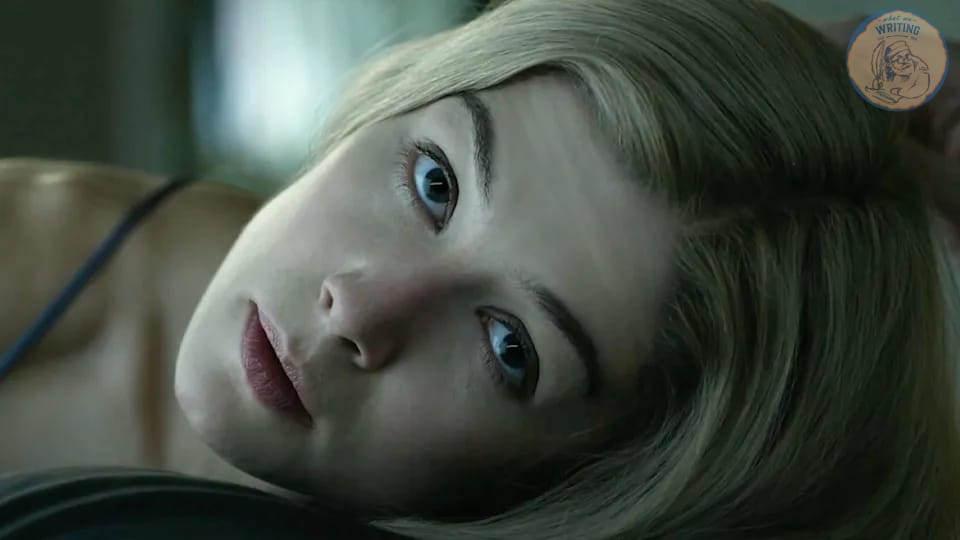
The majority of us wouldn’t want to spend five minutes with some of the most iconic characters in fiction. The likes of Amy Dunne, Holden Caulfield and Richard Papen are manipulative, arrogant, and more than a little morally questionable. Yet, we readers love sinking hundreds of pages into their company and often finish their stories craving more.
These characters fall into a category often labelled as unlikeable characters. They’re necessarily the heroes we admire or people we’d have a coffee with, but they do capture our attention in ways that conventionally likeable protagonists don’t always. Alongside flawed characters and morally grey characters, they challenge our expectations and force us to engage more deeply with the story.
But why are we so drawn to characters who make terrible choices, behave selfishly, and routinely cross ethical boundaries? The answer stems from what makes fiction compelling. Unlikeable characters can test our patience, but they also reveal some of the most interesting realities about human nature and storytelling.
What Makes A Character Unlikeable?
An unlikeable character is a fictional character whose characteristics, actions, or beliefs make them tough to root for or admire. They often possess personality traits that go against what we like in the real world, like arrogance, greed, dishonesty, or a strong sense of entitlement or self-importance.
Unlike conventional heroes, they may put their own interests ahead of others, manipulate those around them, or make decisions that leave us, as the audience, disappointed.
But, this doesn’t mean that unlikeable characters are always the villains. In a lot of stories, they are the protagonists themselves. They may be the person spinning the story, the character we’re forced to follow, or the player driving the plot forward.
This often leads to readers asking an interesting question: Can a protagonist be unlikeable?
The answer is yes. Some of literature’s most memorable protagonists are exceptionally flawed individuals whose actions are often impossible to totally defend.
Unlikeable Doesn’t Mean Poorly Written
One of the biggest misconceptions writers face about unlikeable characters is that readers have to vibe with an individual’s personality to enjoy reading about them. The reality is that there’s a huge gulf between an unlikeable character and a poorly written one.
A poorly written character feels inconsistent, unrealistic, or one-dimensional. On the flip side, an unlikeable character can be wholly unpleasant or scandalously selfish, but still feel believable and compelling. You might disagree with their decisions, but they understand why they’ve been made.
The best unlikeable characters are typically so compelling because of their flaws, rather than despite them. Their contradictions, weaknesses, and questionable choices create tension, depth, and unpredictability, making them much more interesting than a perfectly virtuous hero.

Why Readers Love Unlikeable Characters
They Feel More Real Than Perfect Heroes
In real life, no one is wholly good or bad. We all make mistakes, occasionally act selfishly, or hold beliefs that sometimes contradict our actions. Fiction that reflects these imperfections often feels more authentic than stories inhabited by flawless heroes who always know and do the right thing.
This is one reason why readers are drawn to flawed characters. Their weaknesses make them human. A character who wrestles with jealousy, makes poor decisions, or repeatedly sabotages their own happiness is frustrating, but it’s also relatable. We can identify parts of ourselves in these imperfections, even if we’re unlikely to ever admit it.
Many of the most complex characters in fiction are memorable because they are full of contradictions. A generous act may be immediately followed by a selfish one. They may want to do the right thing, but lack the courage or conviction to follow through. These inconsistencies reflect the complexity of real people, making them much more believable than idealised heroes.
They Create More Conflict
Stories thrive on conflict, your unlikeable characters are normally the best in the business for creating it.
A considerate, emotionally mature individual who always makes the smart choice may be pleasant to be around, but they don’t always guarantee compelling drama. On the other hand, unlikeable characters are great for making questionable decisions, starting fights, holding grudges, or ensuring general chaos follows in their footsteps.
Their flaws help drive the plot forward. A selfish protagonist might betray a friend. Someone arrogant may refuse to help. A dishonest narrator could conceal information from both the other characters and the audience. Each of these decisions creates tension, uncertainty, and consequences that keep the story rolling forward.
Readers often forgive unlikeability when a character is at least entertaining. We might not approve of how they behave, but we’re keen to see what they do next. In a lot of cases, compelling fictional characters aren’t the ones who make the right choices – they’re the ones whose mistakes create the most interesting stories.
Check Out The Best Books Featuring Unreliable Narrators On Our Sister Site, What We Reading
We Enjoy Exploring Morally Grey Characters
Some of the most interesting characters in fiction sit in the space between hero and villain.
Morally grey characters don’t fit neatly into categories of good and evil. They often have understandable motivations, but chase after them in questionable ways. Their actions force us as the audience to grapple with difficult questions. Do the ends justify the means? Would I have done the same? How far is too far?
These questions encourage a deeper level of engagement with the story. Rather than simply cheering for the hero and condemning the villain, readers are asked to evaluate complex scenarios with no easy answers.
Morally grey characters also mirror the reality that ethical decisions are rarely ever black and white. People are prone to acting out of fear, desperation, loyalty, love, or ambition. Fiction allows us to explore these messy situations in a way that feels both safe and intellectually engaging.
This is why morally grey characters and morally ambiguous characters have become increasingly popular in contemporary literature. Readers love characters that challenge assumptions and force them to think beyond a simple right and wrong.
They Let Us Experience Taboo Thoughts Safely
One of the best parts of fiction is that it gives a space to explore thoughts and emotions we would never act upon in the real world.
Unlikeable characters often provide a window into thoughts and impulses that society steers us away from. Through them, we can experience revenge, unchecked ambition, manipulation, greed, or selfishness without any of the consequences that would come in real life.
Many readers love following characters who pursue goals with ruthless determination because fiction provides a safe environment for exploring these behaviours. We get the appeal of power, revenge, or rebellion without needing to endorse them ourselves.
This helps explain why readers love villains and antiheroes in fiction. Characters who operate outside the boundaries of society typically expose some uncomfortable truths about human desires and motivations. They jump on impulses that most of us suppress, creating stories that feel daring, unpredictable, and emotionally charged.
Rather than encouraging bad behaviour, these stories lend themselves to examining the darker corners of human nature. We are able to explore these themes from a distance, satisfying our craving whilst staying firmly grounded in fiction.
We Don’t Need To Like Characters To Understand Them
Perhaps the biggest misconception about unlikeable characters is the idea that a reader needs to like a character to enjoy a story.
The reality here is that liking a character and being interested in a character are two separate things.
You might not like someone’s decisions, disagree with their values or worldview, or find their personality extremely irritating. Yet, you can still be fascinated by their motivations, relationships, and personal struggles. What matters most isn’t whether a character is pleasant, but whether they are interesting.
Understanding a character can be much more rewarding than liking them. Audiences are naturally curious about what leads to people acting the way they do, particularly when those actions seem irrational, selfish, or destructive. An unlikeable character often invites us to look below the surface and uncover the fears, desires, and experiences shaping someone.
The best unlikeable characters challenge us to engage with perspectives we may otherwise dismiss. They encourage empathy without necessarily looking for approval. By asking readers to understand rather than simply judge, these characters evoke a richer, more memorable reading experience.
Ultimately, readers don’t love unlikeable characters because they are admirable. They love them because they’re complex, unpredictable and endlessly fascinating.
Check Out Our Guide On How To Write Great Characters
Unlikeable Characters Vs Poorly Written Characters
Another huge misconception in fiction is that unlikeable characters are automatically bad characters. In reality, a character’s likability and quality are two totally different things.
We see so many instances of readers complaining about a character because they are selfish, arrogant, or morally questionable. But it’s worth remembering that those traits don’t make a character poorly written. In fact, many of the most memorable protagonists in literature possess precisely those qualities.
What matters above all else isn’t whether readers approve of a character’s behaviour, but whether that behaviour feels authentic and serves the plot.
A poorly written character isn’t defined by their flaws. They’re defined by their lack of depth, consistency, or purpose. Their actions feel random, their personality shifts on a dime, or their flaws exist solely to create artificial drama. Rather than adding tension and complexity to a tale, they leave readers feeling confused or frustrated.
Here are the key differences broken down:
| Unlikeable Character | Badly Written Character |
| Consistent motivations | Inconsistent actions |
| Interesting flaws | Random flaws |
| Creates tension | Creates frustration |
| Feels human | Feels artificial |
This distinction helps answer an important question: What makes a character interesting? A compelling character doesn’t have to be kind, heroic, or even all that pleasant. They just need to feel authentic. Readers are willing to follow deeply flawed characters so long as their choices make sense within the context of their personality, goals, and experiences.
Ultimately, readers are able to look past nearly any character flaw. What they struggle to move past is poor writing. An unlikeable character can elicit strong emotions, but a well-written one keeps readers engaged because their actions feel true to who they are.
Famous Unlikeable Characters In Literature
If you’re looking for examples of unlikeable characters, some of the most memorable protagonists in fiction showcase how readers don’t need to admire a character to be fascinated by them. These famous unlikeable protagonists remain popular precisely because their flaws make them compelling.
Amy Dunne (Gone Girl)
Amy Dunne is manipulative, cunning, and prepared to destroy lives to get her goals. Throughout Gone Girl, she repeatedly crosses moral boundaries that make it hard to sympathise with her.
Yet you can’t pull your eyes away from her intelligence, unpredictability, and refusal to conform to expectations. Whether you love or hate her, Amy is impossible to ignore.
Holden Caulfield (The Catcher in the Rye)
Holden Caulfield has frustrated us for decades now. He can be extremely judgmental, cynical, and dismissive of those around him. But, beneath his abrasive personality lies a lonely and vulnerable teenager struggling to cope with grief and growing up.
Readers continue to connect with Holden because his flaws feel genuine and deeply human.
Richard Papen (The Secret History)
Richard Papen often depicts himself as an observer, but he is far from innocent in The Secret History. He is dishonest, self-serving, and willing to overlook disturbing behaviour to be accepted.
We are still drawn into Richard’s orbit because of his complicated morality and the way he becomes entangled in the darkness surrounding him.
June Hayward (Yellowface)
Out of all protagonists to come out of contemporary fiction, few generate a debate quite like June Hayward. Driven by jealousy and ambition, she makes increasingly unethical decisions throughout the novel.
June can be frustrating to read because she is constantly justifying the unjustifiable, yet that self-deception is precisely what makes her such an enduring character. Readers can’t pull away as her actions spiral out of control.
Heathcliff (Wuthering Heights)
Heathcliff is one of literature’s most infamous unlikeable characters. He is cruel, obsessive, vindictive, and capable of causing immense suffering to those around him. Despite this, readers are still fascinated by the intensity of his emotions and the destructive power of his desire for revenge.
More than a century on, Heathcliff continues to spark debate and discussion.
These characters all showcase how the best unlikeable protagonists aren’t necessarily admirable people. Rather, they are complex, flawed, and endlessly intriguing – qualities that often make them far more memorable than their more conventional counterparts.
Why Writers Need Unlikeable Characters
Unlikeable characters aren’t just valuable to readers – they’re also great tools for us writers. While it’s tempting to create protagonists who are easy to root for, flaws are often what make a character feel truly special.
One reason why writers use unlikeable characters is that they add depth. A character who is selfish, arrogant, or prone to making mistakes feels more human than someone who always does the right thing. These imperfections create layers that your audience can explore and analyse throughout the story.
Unlikeable characters also generate conflict. Their flaws often lead to arguments, poor choices, and unexpected consequences, all of which help to push the narrative forward. Without conflict, stories can soon become predictable or forgettable.
They also contribute to a sense of realism. Real people are complex, contradictory, and imperfect, and fiction often feels more authentic when it matches those qualities. Your readers might not agree with an unlikeable character’s choices, but they can still recognise the truth behind them.
For writers wondering how to write an unlikeable character, the key is to focus on making them believable rather than likeable. If a character has clear motivations, consistent behaviour, and meaningful flaws, your readers will be far more likely to stick with the story – even if they don’t especially like the character at the heart of it.
Can An Unlikable Character Still Be A Good Protagonist?
Absolutely – an unlikeable character can absolutely be a good protagonist. In fact, many of literature’s most memorable stories are established around protagonists who are selfish, arrogant, dishonest, or morally dubious.
What makes an unlikeable protagonist successful isn’t their personality, but their ability to hold a reader’s attention. Readers don’t need to admire a character to become invested in their journey. They simply need to understand their motivations, be intrigued by their choices, and care about what happens next.
A flawed protagonist often creates a more engaging story because their weaknesses generate conflict and opportunities for growth. Their errors can drive the plot forward, while their internal struggles lend depth and complexity to the narrative.
Character flaws in literature are often what make protagonists feel believable and human. Perfect heroes feel unrealistic, but flawed characters reflect the contradictions and imperfections found in real people. As long as a protagonist is compelling, readers will follow them anywhere – even if they wouldn’t do so in real life.
Wrap Up
Unlikeable characters challenge the notion that audiences have to love a protagonist to enjoy a story. From morally grey characters to deeply flawed narrators, these individuals often linger with us long after the final page because they feel complex, unpredictable, and real. They create conflict, raise difficult questions, and reflect the messy contradictions of human behaviour in a way that perfect heroes can’t.
Ultimately, though, readers don’t gravitate toward unlikeable characters because they are pleasant or admirable, but because they are compelling. Their flaws aren’t a weakness in storytelling – they are often the very reason why the story works.
Check Out Our Guide On How To Write An Effective Antagonist

James has been passionate about storytelling ever since he could hold a pen. Inspired by the epic fantasy and historical dramas he devoured in his youth, his work now centers on dark, psychological tales featuring intense, introspective characters and atmospheric, gothic undertones. In 2025, he founded What We Writing to share his creative journey and the lessons he’s learned along the way with fellow writers and passionate storytellers.

