
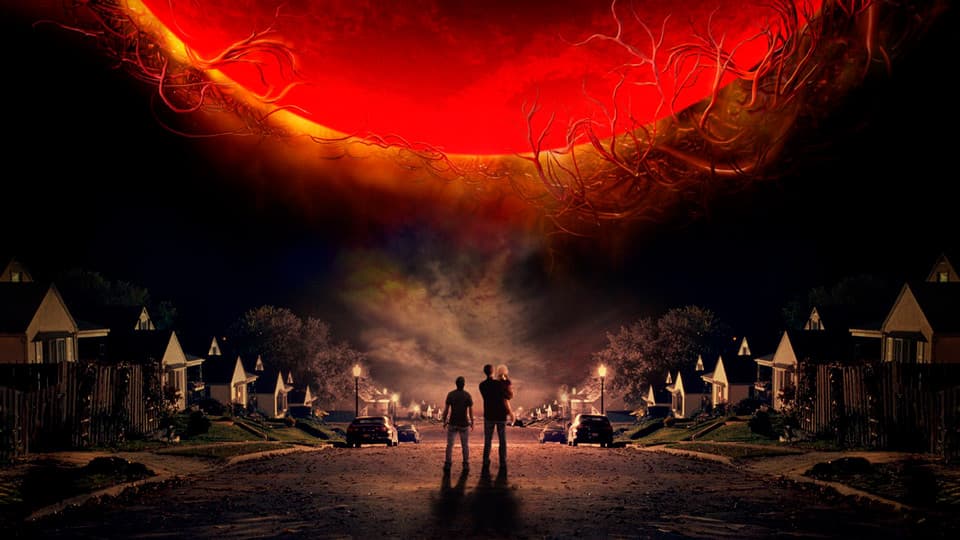
Crafting a sci-fi world is one of the most exciting parts of writing in the genre, but it is also one of the hardest to get right. It’s easy to dream up futuristic cities, advanced technology, or alien planets. The real challenges lie in making that world feel real to your reader. Without structure, logic, and believable details, even the most creative setting can fall flat or feel disconnected from the story. Here at What We Writing, we’re going to be walking you through practical tips to ground your sci-fi world in reality – while still keeping it imaginative and exciting. You’ll learn how to create rules for your world, design technology with purpose, and build societies that feel authentic. Whether you’re writing a sci-fi novel, short story, or screenplay, building a realistic science fiction world takes more than cool technology – it takes thoughtful worldbuilding that connects with readers on a human level.
Why Realism Matters In Sci-Fi Worldbuilding
The best science fiction stories aren’t just imaginative – they’re believable. Readers are willing to suspend disbelief when exploring new worlds, but only if those worlds follow a well-established set of rules. Without internal logic, even the most creative setting can feel confusing or disconnected.
Realism in sci-fi worldbuilding doesn’t mean every detail has to be scientifically accurate. Instead, it means crafting a world that feels consistent, grounded, and lived-in. This is what makes readers invest – they want to believe that this could exist, even if it is wildly different from our own.
Some of the most common mistakes in writing believable science fiction come from skipping this fundamental step. Technology with no limitations or explanation, societies that exist only to serve the plot, or convenient details that magically solve problems can all pull a reader out of your story.
A realistic sci-fi setting isn’t about restricting creativity – it’s about building trust with your reader.

Check Out Our Guide On What Is Science Fiction
Start With The Rules Of Your World
Every great sci-fi world opens with clear rules. Without them, your setting can quickly feel chaotic or inconsistent – and readers will notice. Establishing how your world works gives you a strong foundation to build on, and helps everything else feel more believable.
Establish Technology Limits
When writing technology in science fiction, it’s tempting to let anything and everything be possible. But technology is at its most interesting when it has limits. What can’t exist in your world – and why? Are there resources your society does not have access to? Are there risks or trade-offs with certain tech?
Think about how technology impacts daily life. Does everyone have access to advanced tools, or is it reserved only for the privileged and the wealthy? How has it shaped communication, transportation, medicine, or crime? Even small details – such as how people eat or travel – can make your sci-fi world feel grounded.
Check Out Our Guide To Writing Believable Sci-Fi Technology
Define Society & Culture
Technology doesn’t exist in a vacuum – it shapes people, politics, and culture. What kind of government controls this world? Is power centralised or scattered about? How does the economy function? Are there clear class divides based on access to technology?
Consider language, religion, traditions, and values. A society moulded by interplanetary travel is sure to have wildly different customs from one recovering from environmental collapse. The more thought you give to these details, the more authentic your world will feel.
Ground Your Sci-Fi In Real-World Influences
One of the easiest ways to create a realistic sci-fi world is to root it in things readers already recognise. The more your world draws from real science and human behaviour, the easier it is for readers to connect with it – no matter how futuristic or alien it may appear.
Draw From Real Science
You don’t need a science degree to write believable sci-fi; however, using real-world science as a starting point can make your world feel more authentic. Look at current technology, scientific research, or emerging trends. What would happen if you pushed those ideas 100 years into the future? Or dropped them into a completely different environment?
When thinking about how to create a realistic sci-fi world, it helps to warp reality just enough to make it exciting – but not so far that it feels like magic. Ground your inventions in logic, even if that logic is your own.
Incorporate Human Nature
No matter how advanced your backdrop is, people will still be people. Technology changes the setting – it doesn’t take over human nature. Characters will still want love, power, freedom, safety, or revenge. They’ll still form families, build communities, make mistakes, and chase dreams.
When your world feels huge and unfamiliar, human emotions is what keep readers grounded. Showing how your characters react to their world – both with its wonders and its challenges – will always be more powerful than merely describing the technology around them.
Avoid Common Sci-Fi Worldbuilding Mistakes
Even the most creative ideas can fall flat if the worldbuilding isn’t handled with care. Readers want to lose themselves in your sci-fi world – but certain mistakes can suck them right back out again. Being aware of these pitfalls can help you craft a setting that feels immersive, not confusing.
No Rules = Reader Confusion
One of the biggest mistakes to avoid in sci-fi worldbuilding is skipping over the rules of your world. If anything can happen at any time, there’s no real tension, and readers stop caring about the stakes. Set clear boundaries for your technology, societies, and world – and stick to them.
Overloading with Exposition
It’s tempting to explain every detail of your world up front, but too much exposition can slow your story down. Weave worldbuilding naturally into scenes, dialogue, and character actions. Trust readers to pick things up as they go.
Inconsistent Technology
Readers will notice if your sci-fi world has advanced medical technology, but characters still die from small flesh wounds. Keep track of what exists in your world, and how it works. Consistency builds trust and helps your world feel real.
Final Tips For Writing A Believable Sci-Fi World
Worldbuilding doesn’t have to be overwhelming – but it does require intention. Here are a few final tips to help you stay on track when crafting your realistic sci-fi settings:
Focus on the Small Details
Big ideas draw readers in – but small, everyday details make your world feel real. What do people eat? How do they pay for things? What’s a common greeting or insult? These moments of ordinary life can do more for immersion than page after page of technical explanation.
Let Your World Shape Your Story
Great sci-fi worldbuilding isn’t just background decoration – it should shape the plot, conflict, and characters. Ask yourself: how would life in this world create new problems or opportunities for people? What challenges exist because of the world you’ve built?
Stay Consistent – Then Surprise
Once your world has clear rules, readers will trust you. That’s what makes it so satisfying when you introduce a twist – a hidden technology, a lost civilisation, or a secret power – that still fits within your world’s logic.
Remember: writing believable science fiction is about balance. Keep your imagination wide open – but ground your world in rules, consistency, and human emotion. That’s what will make it unforgettable.
Wrap Up
Creating a realistic sci-fi world doesn’t mean limiting your imagination – it means grounding your creativity in rules, logic, and human experience. When readers believe in your world, they’ll follow your story anywhere.
Got a sci-fi project in the works? We’d love to hear about it – drop your worldbuilding questions or ideas in the comments!

James has been passionate about storytelling ever since he could hold a pen. Inspired by the epic fantasy and historical dramas he devoured in his youth, his work now centers on dark, psychological tales featuring intense, introspective characters and atmospheric, gothic undertones. In 2025, he founded What We Writing to share his creative journey and the lessons he’s learned along the way with fellow writers and passionate storytellers.

