
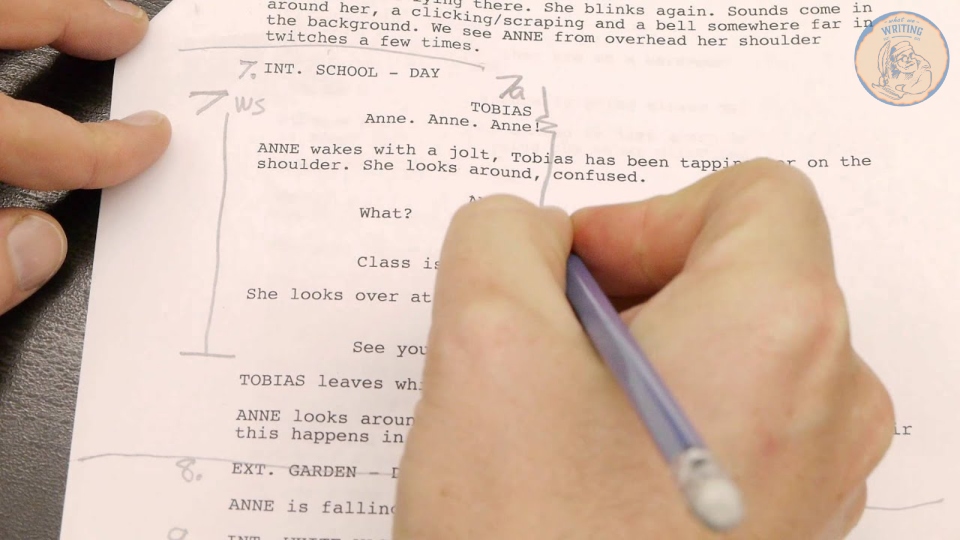
Ever feel like your story’s pacing is off, or one scene blurs into another without a clear transition? We’ve been there. One of the most overlooked tools in fiction writing is the scene break – a simple yet powerful way to control flow, shift time or location, and help readers remain rooted in your story. So, what is a scene break precisely? In writing, a scene break is a visual cue, often marked by a symbol such as “***”, a “#” sign, or even just a blank line, that tells the reader the current scene has finished and a new one is beginning. It can signal a time jump, a change in point of view (POV), or a shift in tone or setting. When used effectively, scene breaks can significantly enhance the rhythm and clarity of your storytelling. Here at What We Writing, we’re breaking down all you need to know about scene breaks in writing, what they are, how to format them, when to use them, and the most common pitfalls to avoid. Whether you’re editing your first novel or polishing your tenth, mastering the scene break is a small craft move that can make a big difference.
What Is A Scene Break?
A scene break is a visual indicator used in fiction writing to show that one scene has ended and another is beginning, without beginning an entirely new chapter. It gives the reader a pause and signals that something important has shifted, such as time, location, point of view, or emotional tone.
Check Out Our Guide To Writing Emotional Scenes
Scene breaks are typically formatted using symbols such as:
- Three asterisks: ***
- A single hash: #
- Or simply a blank line between paragraphs (common in digital or ebook formats)
These breaks help create clarity and flow in your story, guiding the reader through transitions that would otherwise feel abrupt or confusing.
It’s important to note the difference between scene breaks, paragraph breaks, and chapter breaks:
- A paragraph break indicates a new thought or speaker within the same scene.
- A scene break signals a more significant shift, i.e. a jump in time, or a change in setting.
- A chapter break usually marks a structural division in the story, often to create suspense.
Understanding scene break formatting is crucial for maintaining clean, professional, and reader-friendly storytelling.

Why Use Scene Breaks?
Scene breaks aren’t just for decoration – they serve an important role in keeping your fiction clear, dynamic, and engaging. Knowing when to use a scene break can help you guide your reader smoothly through your story’s changes without disorientating them.
Here are some of the biggest reasons to use scene breaks in your writing:
1. Time Jumps
If hours, days, or even just a few moments pass that don’t need to be shown on-page, a scene break provides a clear transition. Instead of painstakingly explaining every moment, you can skip ahead with confidence, maintaining strong fiction pacing.
2. Location Shifts
Moving from one setting to another? A scene break signals that shift clearly, stopping the audience from getting confused over where the action is taking place.
3. Point of View (POV) Changes
In stories with multiple POVs, scene breaks allow for smooth handoffs between characters without the need for a full chapter break.
4. Emotional or Tonal Resets
After an intense or dramatic sequence, a scene break gives both the reader and characters a chance to breathe again before the story continues on with a fresh emotional tone.
The purpose of scene breaks is all about flow, clarity, and control. When used thoughtfully, they elevate the reading experience without drawing attention to themselves.
When To Use A Scene Break
Not sure if a scene break is required? Here’s a simple checklist to help you decide. These are some of the most common moments in fiction when a scene break improves clarity, pacing, or emotional impact.
Use a Scene Break When…
- Time has passed – Whether it’s minutes, hours, or days, if you’re skipping ahead, a scene break lets readers follow without confusion.
- The location changes – If your characters move to a different location, a scene break helps keep the transition clear.
- You switch a point of view (POV) – Writing multiple POVs in one chapter? A scene break signals that you’re changing perspectives.
- The emotional tone or intensity shifts – After a big reveal, death or climactic arguments, a break can provide space before the next mood kicks in.
- A subplot or focus changes – Jumping to another character’s arc or storyline? A break separates the narrative threads without requiring a full chapter shift.
Avoid Scene Breaks Purely for Decoration
Each break should serve a clear purpose, helping with fiction pacing, transitions, or narrative clarity. When used intentionally, they become one of the most effective weapons in your writing arsenal.
Scene Break Vs. Chapter Break: What’s The Difference?
Writers often wonder whether to insert a scene break or start a brand new chapter. Both tools serve as transitions in your story structure, yet they serve different purposes and signal different levels of change to the reader.
What Is a Scene Break?
A scene break is a small pause within a chapter. It signals a shift, like time passing, a new location, or a different POV, whilst keeping the story within the same overarching chapter.
What Is a Chapter Break?
A chapter break is a larger structural division. It suggests a more substantial pause in the story, often used to wrap up a beat or end on a cliffhanger. Chapter breaks can help reset the pacing or focus, and are normally accompanied by a chapter title or number.
Scene Break vs. Chapter Break: At a Glance
| Feature | Scene Break | Chapter Break |
| Level of transition | Small to moderate shift | Major shift or story beat ending |
| Format | ***, #, or blank line | New chapter heading/number |
| Common uses | Time skip, POV change, location | New plot arc, cliffhanger, act turn |
| Keeps reader in same… | Chapter | Often begins a new chapter |
| Impact on pacing | Smooth transition | More pronounced pause |
When to Choose Which?
- Go for a scene break when you want ot keep momentum flowing within a chapter but need a shift in focus or time.
- Opt for a chapter break when a major beat concludes, a new section of the story starts, or you want a dramatic pause.
Using both helps control your chapter transitions, maintain a clear structure, and guide your reader effortlessly through the story.
How To Format A Scene Break Correctly
Understanding how to format a scene break is just as crucial as knowing when to use one. Scene breaks are visual markers that cue readers into a shift without confusing or disrupting the flow of the story. Thankfully, formatting them is fairly straightforward, though it can vary slightly depending on where your work is being published or read.
Standard Break Symbols
Here are some of the most commonly accepted scene break symbols:
- *** (three asterisks centred on the page)
- # (a single centred hash mark, more common in traditional publishing)
- A blank line (particularly common in self-publishing and ebooks).
Any of these symbols work, provided they are used consistently throughout your manuscript.
Manuscript vs. Published Book Formatting
In a manuscript (for submission to agents or editors):
- Use # or *** centred on its own to indicate a scene break.
- Avoid just relying on a blank line, as it can be missed in printouts or during formatting.
In published books:
- Publishers often stylise scene breaks with decorative symbols or simply use extra space between paragraphs.
- In ebooks, you’ll often see either extra white space or centred symbols, depending on the device and formatting style.
Regardless of the format, the goal is to make scene breaks clear but unobtrusive, serving the flow of the story without distracting from it.
Common Mistakes With Scene Breaks (And How To Avoid Them)
Scene breaks can be incredibly effective, but, like with any writing tool, they can also be misused. Here are some of the most frequent mistakes that fiction writers make when using scene breaks, and how to avoid them in your own work.
1. Overusing Scene Breaks
Too many scene breaks can make your story feel disjointed or choppy. If every paragraph ends with a break, readers might struggle to remain emotionally engaged with the characters or plot.
Tip: Use scene breaks to highlight meaningful shifts, not every time you move to a new moment.
2. Underusing Scene Breaks
On the flip side, not using scene breaks when they’re needed can confuse readers. If time jumps or location changes happen without warning, the flow of your narrative can begin to feel jarring or unclear.
Tip: If your story skips ahead or shifts dramatically, consider whether a scene break would make the transition smoother.
3. Poor or Inconsistent Formatting
Switching between symbols without a pattern or using breaks that don’t visually stand out can make your manuscript look unprofessional.
Tip: Go for one style and stick with it throughout your work. When in doubt, use a # for manuscripts and *** or white space for digital formatting.
4. Using Scene Breaks Instead of Doing the Work
Sometimes writers rely on scene breaks to avoid writing transitions or emotional consequences. But if your story feels like it’s jumping without a payoff, your audience may feel slightly cheated.
Tip: Use scene breaks intentionally, not as a shortcut to skip over important developments or difficult beats.
Mastering the use of scene breaks is all about balance. When used thoughtfully, they add clarity, pacing, and depth to your fictional story. When overused or underused, they risk hauling your readers out of the story.
Wrap Up
A scene break may seem like a small formatting decision, but in fiction writing, it plays a big role in how your story flows and how your reader experiences it. From signalling time jumps and location changes to shifting tone or point of view, scene breaks help create clarity and rhythm without interrupting immersion.
Learning how and when to use scene breaks allows you to mould your story’s pacing with precision, whether you’re writing fast-paced thrillers, character-driven dramas, or anything in between.
Now that you know what a scene break is, how to format it properly, and ways of avoiding common mistakes, it’s a great time to revisit your works-in-progress. Look for any natural pauses, time shifts, or emotional resets that would benefit from a clear break, and try applying anything you’ve picked up here.
Scene breaks may be subtle, but when used effectively, they become an invisible force that heightens your storytelling.
Check Out Our Full Guide On Writing Multiple POVs

James has been passionate about storytelling ever since he could hold a pen. Inspired by the epic fantasy and historical dramas he devoured in his youth, his work now centers on dark, psychological tales featuring intense, introspective characters and atmospheric, gothic undertones. In 2025, he founded What We Writing to share his creative journey and the lessons he’s learned along the way with fellow writers and passionate storytellers.

