
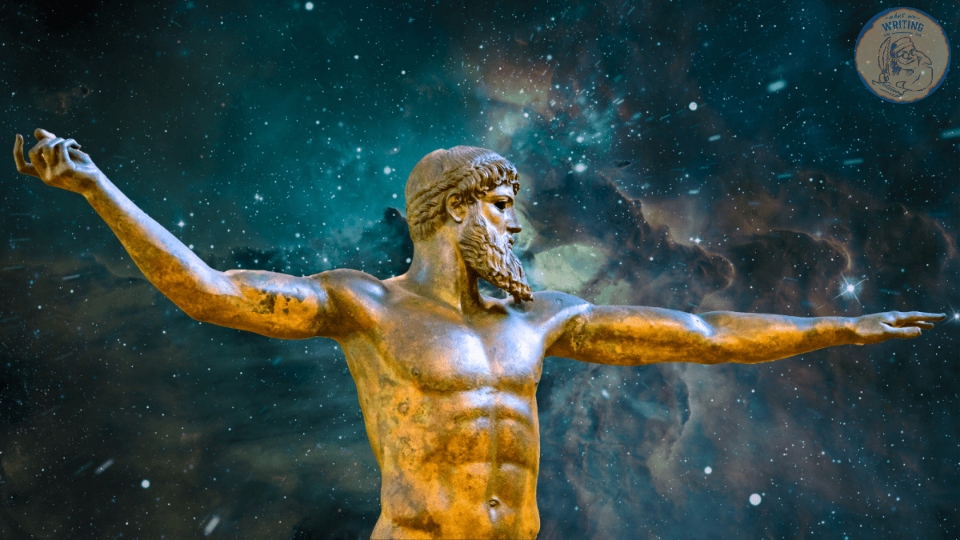
Ever feel like your story is missing that spark – the sort of magic that makes a tale feel bigger than itself? Whether it’s historical fiction, contemporary narratives or epic fantasy, using mythology and folklore in writing can unlock new layers of emotion, depth and meaning. These timeless stories are full of powerful archetypes, moral struggles, and unforgettable imagery that have hooked audiences for centuries. Today at What We Writing, we’re exploring how writers can tap into the enduring power of myths and folktales from across the globe to inspire original stories. From adapting ancient legends to weaving folklore into your worldbuilding, you’ll find practical tips, examples, and writing prompts designed to help you bring a mythic quality to your storytelling!
Why Writers Are Drawn To Mythology And Folklore
So, why even use mythology in storytelling? The answer lies in the power of these ancient tales have in connecting us all through time, culture, and experiences. Myths and folklore are built on universal themes – love and loss, heroism and betrayal, fate and free will – that continue to resonate with us just as much today as they did centuries ago.
Writers are innately pulled to these stories because they present a rich groundwork to build from. Whether you’re reimagining a well-known legend or borrowing subtle elements, the benefits of folklore in fiction are huge. You gain access to familiar archetypes – the reluctant hero, the wise mentor, the trickster – that instantly ground your tale in something recognisable, even when you’re crafting an entirely new world.
These timeless structures and symbols not only enhance the emotional impact, but also offer creative freedoms. Mythology and folklore in fiction can help you write stories that feel both personal and epic, grounded yet otherworldly.

How To Use Mythology In Your Writing
Using mythology in storytelling doesn’t mean you need to stick exactly to the ancient scripts. Mythology offers a flexible, powerful structure for writers looking to deepen their worldbuilding, character development, and emotional resonance. Whether you’re creating full mythology-based stories or simply pulling inspiration from mythic structures, there are several ways to approach it.
Retellings vs Inspired Originals
One of the most popular approaches is the retelling – modernising or reinterpreting an existing myth. Examples of this at work include Circe by Madeline Miller or Rick Riordan’s Percy Jackson series – both reimagine classic Greek mythology in bold, accessible ways for modern audiences.
On the other hand, inspired originals take the themes, characters, or symbolic elements of mythology and apply them to brand-new plots and settings. Neil Gaiman’s American Gods is a prime example of this, bringing ancient deities into a gritty, modern world. This approach offers more freedom whilst still tapping into the recognisable aspects of mythology.
Mythical Archetypes
At the core of many mythological writing ideas are archetypes – familiar character types and journeys that transcend cultures. These include:
- The Hero’s Journey (as seen with Odysseus, Frodo, or Harry Potter)
- The Trickster (Loki, Anansi, or Hermes)
- The Wise Mentor (Athena, Merlin, or Gandalf)
- The Underworld Descent (common in both Greek myths and modern narratives)
These archetypes help writers mould characters that feel larger-than-life, but still emotionally grounded. Readers might not consciously pick up on the reference, but they feel the weight behind these roles.
Symbolism And Themes
Another way of using mythology in writing is through symbolism and thematic layering. Myths often explore ideas such as:
- Rebirth and transformation (e.g. phoenix myths, Persephone’s seasonal return)
- Fate vs free will (Oedipus, Ragnarok)
- Sacrifice for the greater good (Iphigenia, Prometheus)
Blending these elements into your work gives it added depth and resonance. They help readers connect with your story on a subconscious level, especially when these symbols are embedded within the character arcs or world rules.
Whether you’re directly adapting myths or conjuring up original works steeped in legendary influence, using mythology in writing adds complexity and emotional richness that can take your fiction to new heights. Don’t be afraid to explore lesser-known myths, and global traditions, or even construct your own pantheon.
Check Out Our Guide To Using Symbolism In Fiction
How To Use Folklore In Storytelling
While mythology usually deals with the gods and grand cosmic struggles, folklore brings us readers closer to the everyday fears, beliefs, and imaginations of a culture. From haunted woodlands to talking animals, folklore presents a treasure trove of motifs and ideas that are perfect for folklore-inspired storytelling.
Check Out Our Guide To Folktales Vs Fairy Tales
Regional Folklore for Worldbuilding
One of the best ways to use folklore in fiction is through regional traditions. Slavic tales may inspire eerie woodland spirits and ancient bargains. Celtic folklore brings with it the mystical presence of the fae, sacred trees, and liminal spaces. African folklore offers a wealth of ancestral wisdom, trickster tales, and origin stories tied to nature and spirits.
When you’re building a fictional world, pulling inspiration from a specific folklore tradition can add cultural texture and authenticity. Just be sure to approach unfamiliar cultures with care and respect – research extensively and consider consulting sensitivity readers when needed.
Common Folklore Tropes
Folklore is brimming with story elements that continue to resonate across the fiction world today. Think of the likes of:
- Shapeshifters and animal spirits (like selkies or kistune)
- Curses and magical bargains
- Ghosts, witches, and haunted objects
- Hidden villages, enchanted forests, or portals between realms
These tropes are all exceptionally versatile and can be shaped to fit into any genre – from horror and fantasy to literary fiction and romance.
By understanding how these tropes function in traditional tales, you can subvert or deepen them in your own way. This is what using folklore in fiction is all about – not to copy stories, but to borrow their vibes and reshape them through your own voice.
Check Out Our Guide To Building Magical Systems
Folktales as Narrative Seeds
Folktales are often short, moral-driven and symbolic, making them ideal narrative seeds for bigger stories. You could take a one-page tale about a clever animal or a cursed village and ask, “What happened after that?” or “What if this story were to take place in the present day?”
Folklore doesn’t just inspire plot – it can shape your narrative tone, themes, and atmosphere. Whether you’re writing eerie gothic fiction or whimsical magical realism, folktales help set the mood and direction of an entire story.
When you’re blending folklore into your writing, don’t be afraid to extend beyond the well-known. Explore regional tales, lost legends, and oral traditions. Folklore-inspired storytelling helps keep these tales alive while allowing your voice and imagination to shine.
Writing Tips For Myth And Folklore-Inspired Fiction
Whether you’re adapting ancient tales or simply pulling thematic threads from them, writing myth-inspired fiction requires striking a balance between creativity and respect, research and storytelling. Here are our tips on how to take advantage of mythological and folkloric inspiration in your writing.
Research Without Overwhelming Yourself
When you plunge into myths and folklore, it’s easy to find yourself lost in a neverending spiral of sources, interpretations, and cultural nuance. To avoid being burned out by this process, start small. Hone in on a singular myth, region, or tradition that sparks your imagination.
For example, if you’re interested in Norse mythology, don’t try to master the entire Poetic Edda right away. Begin with one story – such as the myth of Baldur or Loki’s mischief – and go from there. This approach helps keep you grounded and generate mythological writing ideas without becoming stuck in research paralysis.
Blend Originality with Tradition
The aim isn’t to copy an old story – it is to give it a new light through your lens. How to write myth-inspired stories begins with knowing what you’re borrowing from, and then twisting it in a way that feels fresh. Could you retell a myth from a minor character’s point of view? Could you shift the setting to a modern city or a sci-fi universe?
Blending recognisable elements – such as archetypes, moral dilemmas, or magical motifs – with your own characters and themes helps your story resonate whilst remaining original.
Avoid Cultural Appropriation – Be Respectful
One of the most crucial elements of writing folklore or mythology-based stories is handling cultural material with respect and sensitivity. Especially when exploring myths or tales outside your own heritage. Take the time to research the cultural context behind them.
Ask yourself: Is this story sacred or ceremonial? Who has the right to tell it? Am I reinforcing stereotypes or misrepresenting a belief system? When in doubt, find resources from individuals or groups within the culture, and consider hiring a sensitivity reader if your story profoundly leans into a culture that isn’t your own.
Respect doesn’t limit creativity – it ensures that your storytelling uplifts and honours the traditions where it has come from (and which you are now borrowing from).
Combining the magic of ancient stories with your own imagination can lead to something truly unforgettable. By balancing research, originality, and empathy, your mythology-based stories can connect with readers on both emotional and cultural levels.
Wrap Up
Using mythology and folklore in writing isn’t about retelling the past – it’s about reimaging it. Whether you’re creating full-blown mythology-based stories or some sprinkling in folklore-inspired motifs, these ancient tales offer up themes, emotional depth, and creative frameworks that can take your writing to new heights.
By understanding archetypes, exploring global traditions, and writing with both care and originality, you can conjure up stories rooted in history that are uniquely your own.
Writing Prompt to Get You Going
Select a lesser-known myth or folktale from a culture you’re curious about. Rewrite it from the perspective of a side character – or place it in an entirely new setting (horror, science fiction, cosy fantasy – the choice is yours!) Focus on keeping the original theme in place while you reshape everything else.
Want to go even further? Try writing a story that feels mythic, without directly referencing any existing tale. Use symbolism, archetypes, and timeless themes to create something that feels as though it could be ancient.
Check Out These Coward-To-Hero Character Prompts

James has been passionate about storytelling ever since he could hold a pen. Inspired by the epic fantasy and historical dramas he devoured in his youth, his work now centers on dark, psychological tales featuring intense, introspective characters and atmospheric, gothic undertones. In 2025, he founded What We Writing to share his creative journey and the lessons he’s learned along the way with fellow writers and passionate storytellers.

