
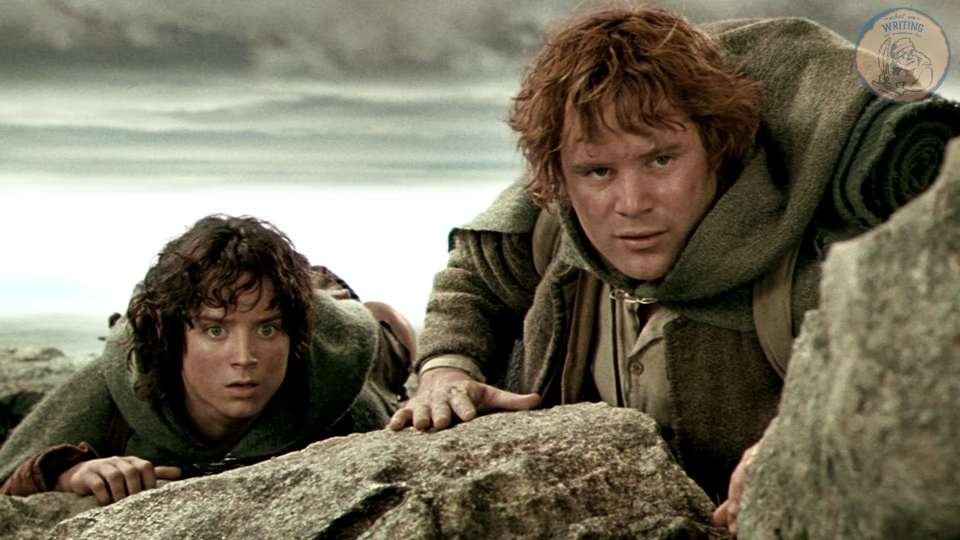
Few character journeys are as satisfying as watching a frightened, hesitant character slowly finding their courage. The coward to hero character isn’t about sudden bravery or fearless champions – it’s about ordinary people pushed to act despite their fears. That’s what makes it so powerful and so deeply relatable for readers.
These character arc prompts are tailored to help you explore that very transformation on the page, from a character who swerves conflict to one who chooses action when it matters most. At its heart, this arc thrives on internal conflict: fear versus responsibility, self-preservation versus growth. Every small choice builds toward earned courage, making the payoff feel authentic rather than convenient.
Whether you’re a novelist outlining a full story, a short story author looking for inspiration, or a fantasy writer moulding a reluctant hero, these prompts are built to support meaningful character development – not just plot beats, but emotional change.
What Is A Coward To Hero Character Arc?
A coward to hero character arc follows a character who starts a story ruled by fear, avoidance, or self-preservation, and slowly learns to act bravely when it matters most. Unlike more traditional heroic arcs, courage here isn’t natural or effortless – it’s earned through pain, discomfort, failure, and tough choices. The power of this arc comes from watching fear remain present, even as the character grows.
At its core, this character arc typically includes:
- Starting from fear, self-doubt, or avoidance
- Facing escalating challenges that remove the option to stay safe
- Choosing courage despite fear, rather than overcoming it entirely
A good example of this arc in action is Neville Longbottom, who finds his bravery long after others dismiss him; Samwise Gamgee, whose loyalty pushes him beyond his limits; and Peeta Mellark (early Hunger Games books), whose quiet courage often outweighs physical strength.

Why The Coward To Hero Arc Works So Well
The coward-to-hero arc delivers one of the most satisfying emotional payoffs in storytelling because the victory feels like it’s been earned. When a character starts from fear, every brave decision carries weight, turning even small moments of courage into meaningful wins. Come the end of the story, readers aren’t just celebrating success – they’re celebrating growth.
This arc is also exceptionally relatable. None of us views ourselves as fearless heroes, but we do understand hesitation, self-doubt, and the instinct to avoid risk. Watching a character grapple with those feelings conjures a powerful internal conflict that pulls readers closer and keeps them emotionally invested.
As a positive character arc, this journey hinges on genuine character transformation. The character doesn’t change because the plot demands it; they change because fear and responsibility collide, forcing them to choose who they want to become.
Coward To Hero Character Arc Prompts
The Fear They Can’t Run From
Your character has structured their whole life around avoiding one specific fear – until avoiding it costs them something they love.
Ask yourself:
- What fear have they built their life around?
- What finally makes running away impossible?
- What do they risk losing if they still refuse to act?
The Moment Cowardice Costs Someone Else
For the first time, their inaction doesn’t just affect them – it harms someone who trusted them.
Ask yourself:
- Who is hurt by their hesitation?
- How do they justify their choice in the moment?
- What guilt follows them afterwards?
The Lie That Kept Them Safe
Your character believes a lie about themselves that makes fear feel reasonable, even necessary.
Ask yourself:
- What story do they tell themselves to avoid danger?
- Who benefits from this lie – and who suffers?
- When does the lie begin to crack?
A Small, Accidental Act of Bravery
They don’t mean to be brave – they simply react before fear can stop them.
Ask yourself:
- What instinct overrides this fear?
- How does this moment surprise them?
- Does anyone notice this change before they do?
Forced Into the Spotlight
Circumstances strip away their ability to hide, blend in, or stay silent.
Ask yourself:
- What puts them in an unavoidable position?
- What terrifies them most about being seen?
- What happens if they fail publicly?
The Comparison That Cuts Deep
They are constantly measured against someone braver, stronger, or more decisive.
Ask yourself:
- Who do they feel inferior to?
- How does this comparison reinforce their fear?
- When do they stop trying to live up to someone else?
The Choice Between Safety and Self-Respect
They can stay safe – but only by betraying their own values.
Ask yourself:
- What does “safety” cost them emotionally?
- What line can they no longer cross?
- Which decision finally feels worse: fear or shame?
When Fear Stops Working
The strategies they’ve relied on to avoid danger no longer protect them.
Ask yourself:
- What avoidance tactic fails first?
- How does this loss of control affect them?
- What new risk do they have to consider?
Borrowed Courage
They act bravely only because they’re protecting, copying, or standing beside someone else.
Ask yourself:
- Who gives them temporary courage?
- What happens when that support disappears?
- Can borrowed bravery become real bravery?
The Point of No Return
One decision commits them to a path they can’t back out of.
Ask yourself:
- What makes this choice irreversible?
- Do they understand the consequences at the time?
- How does this moment redefine them?
Courage in Private
They do something brave that no one else will ever see or reward.
Ask yourself:
- Why does this moment matter if no one else notices?
- What internal shift happens here?
- How does this prepare them for later choices?
Acting While Afraid
They don’t overcome fear – they move forward with it still present.
Ask yourself:
- What does fear feel like in their body?
- Why do they act anyway?
- How is this different from recklessness?
The Test They Almost Fail
Their growth is tested – and they come dangerously close to reverting.
Ask yourself:
- What old habit resurfaces under pressure?
- What stops them from fully backsliding?
- Who or what reminds them how far they’ve come?
Choosing Courage Without Clarity
They act without knowing if it will work, or even if it will matter.
Ask yourself:
- What outcome do they fear most?
- Why is action still necessary?
- What does this choice say about who they’ve become?
Redefining What a Hero Is
By the end, they realise heroism doesn’t look the way they once imagined.
Ask yourself:
- How has their idea of bravery changed?
- What kind of hero do they become instead?
- How would the version of them from page one react to this person?
Variations On The Coward To Hero Arc
The Reluctant Hero
This character resists the call to act as long as possible, often out of fear, responsibility, or a desire to protect their quiet life. What makes this variation compelling is that bravery is always delayed, not absent – each step forward is taken with reluctance, tension, and doubt still present.
The Accidental Hero
In this version of the arc, the character never sets out to be brave at all. Their courage stems from impulsive actions, misunderstandings, or moments where fear doesn’t have time to set in, turning unintended actions into heroic outcomes.
The Coward Who Never Becomes Brave – But Acts Anyway
Here, fear is never conquered or resolved; it remains a constant presence throughout the story. The arc succeeds not through confidence, but through action in spite of terror, redefining heroism as persistence rather than fearlessness.
Check Out Our Guide To Writing Jester Characters
How To Use These Character Arc Prompts In Your Writing
These character arc prompts aren’t designed to be rigidly followed. Think of them instead as tools you can dip into at different stages in the writing process, depending on what your story needs.
When outlining, use these character writing prompts to map emotional turning points rather than plot beats. Identify when fear dominates, where it’s challenged, and where the character finally acts despite it – this helps you ground your structure in character development rather than action alone.
You can also layer multiple writing prompts for fiction into a single story. One prompt might shape your character’s internal struggle, whereas another defines an external choice or consequence. Used together, they create a richer, more believable arc.
Finally, don’t reserve these character development prompts solely for protagonists. Side characters who confront fear – or fail to – can reflect, challenge, or complicate your main character’s journey, making the whole story feel more emotionally cohesive.
Wrap Up
If one of these prompts sparked an idea, bookmark this page so you can come back to it whenever you’re shaping a new character or feeling lost in the middle of a draft. Character arcs like this often click after you’ve stepped away for a bit.
If you’re comfortable sharing, let us know in the comments which prompt you’re using – or which one surprised you the most. It’s always fascinating to see how different authors use fear, courage, and change.
Check Out Our Guide On How To Write Fictional Characters

James has been passionate about storytelling ever since he could hold a pen. Inspired by the epic fantasy and historical dramas he devoured in his youth, his work now centers on dark, psychological tales featuring intense, introspective characters and atmospheric, gothic undertones. In 2025, he founded What We Writing to share his creative journey and the lessons he’s learned along the way with fellow writers and passionate storytellers.

