
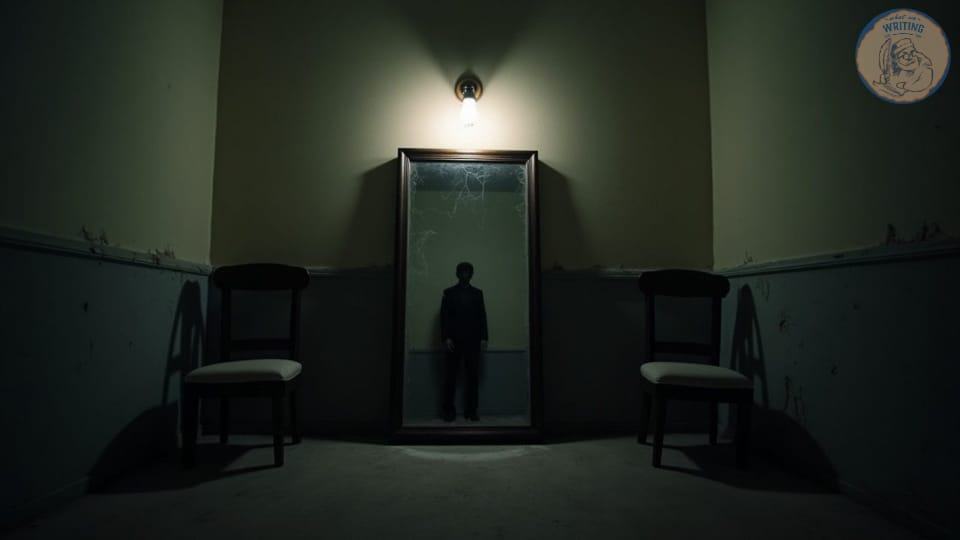
Horror tropes are staples of the genre – the familiar patterns, types of characters, and scenarios that show up time and time again in horror books and films. From haunted houses and unreliable narrators to monsters lurking just out of view, these common horror tropes mould how we experience the fear on the page. They’re usually the reason why a tale feels immediately unsettling, even before anything truly terrifying happens.
Like any other trope, horror tropes have a reputation for being overused. Readers and viewers sometimes know precisely what’s coming next, particularly when the same scares are repeated without any variety. When they’re handled lazily, even the best horror tropes can become predictable, draining tension rather than building it.
But the issue here isn’t the tropes themselves. Horror tropes continue to endure because they tap into our universal fears. And when they’re used smartly, they’re just as powerful today as they’ve ever been. The most memorable horror stories don’t discard familiar ideas altogether; they reshape them, deepen them, or approach them in new ways.
Today at What We Writing, we’re exploring some of the most iconic horror tropes and, more crucially, how to make them feel new again – showcasing how originality in horror isn’t about avoiding the familiar, but about using it in more unsettling ways.
Why Horror Tropes Work (And Always Will)
Horror tropes work because fear thrives on familiarity. When readers recognise classic horror tropes – whether that be an isolated setting, a slow-building sense of dread, a threat that feels inevitable – their brains begin to fill in the gaps. Anticipation becomes a part of the scare. Even before anything actually happens, the audience expects something to go wrong, and that’s what heightens our expectations.
These popular horror tropes also serve as a shared cultural language. Most of us get what a dark basement, a creepy child, or an abandoned summer camp signifies in a horror story. Writers don’t need to over-explain the danger here because the horror genre tropes carry all the meaning. It’s a fast track that allows stories to move faster and hit emotional beats more efficiently.
Just as importantly, horror fans absolutely love familiar patterns. Reader and viewer expectations aren’t a limitation – they’re part of the pleasure. Knowing the rules of a genre makes it more entertaining when an author knows how to follow them well or to flip them deliberately. The best horror stories don’t shock because they’re random; they unsettle because they play with expectations we horror fans already understand.
In other words, horror tropes are still about not despite their familiarity, but because of it. They give the genre its structure – and when they’re handled effectively, they’re what make fear linger long after the final page.

The Best Horror Tropes By Type
Some of the most infamous horror tropes have lasted for decades because they reliably tap into deep, primal fears. The problem here is not that the ideas exist – it’s that many of them have been repeated so often they run the risk of becoming predictable. By grouping common horror tropes into themes, it’s far easier to see not only why they work, but also where they start to feel overused.
Isolation & Entrapment Tropes
There aren’t many things more frightening than being truly alone. Isolation removes safety nets, help, and escape routes, forcing characters to confront danger head-on.
Why it works: Isolation heightens vulnerability and tension. Whether it’s a remote cabin, a snowed-in town, or a cut-off character both emotionally and physically, this is one of the best horror tropes for sustaining dread over long stretches of a story.
Why it’s overused: When isolation only exists to serve the plot – bad weather, no phone signal, no explanation – it can start to feel lazy. Without any emotional or narrative depth, the trope becomes frustratingly predictable, rather than terrifying.
Unreliable Reality Tropes
This trope hones in on the idea that what we’re seeing – or what the character believes – can’t be trusted.
Why it works: Questioning reality destabilises both the character and the audience. Hallucinations, memory gaps, or shifting timelines force us to question every scene, making this a powerful example of common horror tropes that thrive on psychological unease.
Why it’s overused: If the twist all boils down to that infamous “it was all a dream” type of payoff, things can feel hollow. Overusing ambiguity without emotional grounding turns suspense into frustration.
The Monster Within Tropes
Sometimes the most frightening trope threat isn’t external – it’s within the characters themselves.
Why it works: This horror trope explores guilt, repression, addiction, or moral decay, making it one of the most human-feeling horror tropes for character-driven tales. When the monster reflects something we all recognise, the horror feels personal and unsettling.
Why it’s overused: When the metaphor is too on-the-nose or underdeveloped, the reveal lacks impact. Without nuance, the trope can feel heavy-handed or preachy.
Haunted Spaces & Places
From ruined estates to seemingly ordinary homes, places that hold dark secrets are a staple of the genre.
Why it works: Haunted locations turn familiar environments into threats. These overused horror tropes endure because they trap characters in spaces that should feel safe, creating a constant, low-level tension.
Why it’s overused: Creaking floorboards and ghostly apparitions lose their oomph when they rely solely on atmosphere. Without a compelling history or emotional connection, haunted spaces can blur together.
How Horror Tropes Become Overused
Horror tropes don’t become tired solely because they’ve been used before – they become overused when repetition replaces creativity. When the same setups, scares, and resolutions appear time and time again without any variations, even the best ideas begin to feel like horror clichés rather than genuine sources of fear.
One of the biggest issues here is repetition without evolution. Overused horror tropes often rely on identical beats: the same warnings ignored, the same twists revealed, the same survival patterns repeated. Without any new emotional stakes or narrative context, familiarity turns into predictability.
This predictability leads directly to another problem: foregone conclusions. When your audience can guess exactly who’s going to die, who will survive, and how the threat will be resolved, tension collapses. Fear depends on uncertainty, and once the outcome feels inevitable, horror loses its edge.
Finally, many horror clichés fall flat because they prioritise surface-level scares over a deeper sense of unease. Jump scares, shock reveals, or creepy imagery might produce a quick jolt, but without any atmosphere, character investment, or thematic weight, they fade quickly. True horror stays with us – and when tropes are reduced to shallow tricks, they stop doing the work they were intended for.
Understanding how horror tropes become overused is the first step toward making them feel frightening again. Once you’ve identified why they fail, it’s far easier to see how they can be reimagined, subverted, or revitalised.
Check Out Our Guide On How To Write A Horror Story
How To Make Horror Tropes Feel New Again
Making horror tropes feel fresh doesn’t have to mean abandoning everything that’s familiar. In fact, the most effective horror leans into recognisable ideas – then twists how, why, or who experiences them. Reinventing horror tropes is less about novelty for novelty’s sake and more about deepening the fear beneath the surface.
Change the Perspective
One of the easiest ways to conjure fresh spins on horror tropes is to change who’s telling the story – or who the fear is happening to.
Why it works: A familiar scenario feels totally different when it’s viewed through an unexpected lens: the side character rather than the hero, the sceptic instead of the believer, or even the “monster” itself. Flipping the perspective forces readers to re-evaluate what they think they know.
How it freshens the trope: By reframing a common setup, you introduce uncertainty where readers expected comfort. Suddenly, a well-worn trope becomes unstable again – and instability is fertile ground for fear.
Subvert Expectations, Not the Trope
Subverting horror tropes isn’t about rejecting them all outright. It means identifying what readers expect – and then deliberately playing with that expectation.
Why it works: When a story acknowledges the rules of the genre, readers engage more deeply. They feel in on the tension, waiting for the moment when things don’t go as planned.
How it freshens the trope: Allow the setup to feel familiar, but change the outcome, the motivation, or the consequences. A trope stays intact; however, the emotional payoff shifts, making it unsettling rather than predictable.
Raise the Emotional Stakes
Fear hits harder when it becomes personal. A lot of overused tropes fall flat because they’re only relying on danger, without any of the emotional investment.
Why it works: When characters have something meaningful to lose – be it a relationship, their identity, or self-belief – the horror becomes more than survival. It becomes psychological.
How it freshens the trope: By grounding the fear in the character rather than the spectacle, you transform a familiar scenario into something intimate and disturbing. This is one of the most effective ways to make horror tropes feel fresh without altering the premise.
Blend Horror Tropes Together
Combining tropes creates friction – and friction creates unpredictability.
Why it works: Readers might recognise individual elements, but they can’t rely on a single set of expectations. A haunted house layered with an unreliable narrator, or a possession story tied to social horror, immediately feels less stable.
How it freshens the trope: Blending familiar horror genre elements forces them to interact in new and interesting ways, leading to outcomes readers can’t easily predict. This is a powerful tool for reinventing horror tropes that feel worn out by themselves.
Modernise the Setting or Theme
Classic horror tropes don’t lose their impact – they just need room to grow.
Why it works: Updating the context allows old fears to intersect with modern anxieties: technology, surveillance, isolation despite connectivity, or cultural pressure.
How it freshens the trope: A familiar idea placed in a contemporary context gains new relevance. Modern fears breathe into old structure, proving that fresh takes on horror tropes usually come from where and when the story is set, not just what happens.
Wrap Up
Horror tropes are the enemy of originality – they’re its foundation. The best horror tropes have endured because they speak to deep, shared fears, and, when they’re used with intention, they remain just as effective as ever. What makes a story feel stale isn’t the familiarity itself, but execution that depends too much on expectation, without offering anything fresh in return.
Fresh horror comes from curiosity and craft. By rethinking perspective, raising emotional stakes, and engaging thoughtfully with the genre’s conventions, writers can transform familiar ideas into something genuinely unsettling. Horror tropes don’t need to be discarded to feel scary again – they need to be challenged, reshaped, and occasionally pushed into disturbing territory.
For writers willing to experiment, the genre offers endless possibilities. The tools are already there. It’s how you use them that determines whether a story feels predictable – or unforgettable.
Check out the best Horror Books for Stormy Nights on our sister site, What We Reading!

James has been passionate about storytelling ever since he could hold a pen. Inspired by the epic fantasy and historical dramas he devoured in his youth, his work now centers on dark, psychological tales featuring intense, introspective characters and atmospheric, gothic undertones. In 2025, he founded What We Writing to share his creative journey and the lessons he’s learned along the way with fellow writers and passionate storytellers.

