
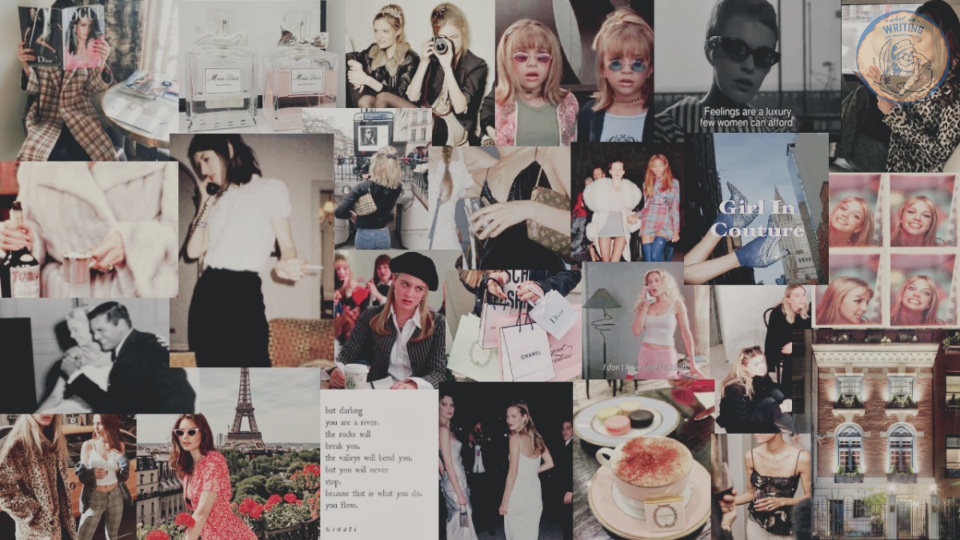
Have you ever come across a Pinterest moodboard that felt like a story waiting to be told? Perhaps it was a blend of moody lighting, wistful faces, and faded letters – the kind of vibe that whispers there’s something here. That’s precisely what his Moodboard Writing Challenge is all about: turning a feeling, an aesthetic, or a collection of images into a full novel. Today at What We Writing, we’ll explore how to use visuals and vibes as creative writing inspiration, run through how to build your own moodboard, and demonstrate how to transform a look into words on the page. Whether you’re locked in a writing slump or simply looking for new writing prompts, this challenge aims to kickstart your imagination and help you see stories in a brand new way.
What Is A Moodboard Writing Challenge?
A moodboard writing challenge is precisely what it sounds like – a creative exercise made up of using visuals, colours, and textures as the inspiration for your story.
Check Out These Colour-Based Writing Prompts
A moodboard is a collage (either physical or digital) that captures a particular vibe: it could be soft and romantic, bold and futuristic, or dark and stormy. The point of these boards is for writers to be able to use them as visual inspiration for writing, allowing images to speak before they put pen to paper.
The challenge with this comes from turning this vibe into something tangible – be it a character sketch, a short scene, or even a full-length story. It’s a fun and proven way of overcoming writer’s block and thinking differently about how stories are conjured up. You can make it a solo exercise, or turn it into a community activity by sharing your moodboard and story with other writers.
For example, a board filled with rainy city streets, neon lights, and lonely jazz clubs – that mood could easily evoke a gritty noir story. Or a moodboard full of wildflower fields, sunlight, and open windows – suddenly, you’re writing something free and full of whimsy. Each image allows you to feel your way into a world before you begin building it.
Through this moodboard writing challenge, you’ll learn how to turn a vibe into a story and see how visuals can guide your creative process in new, exciting ways.

How To Create A Moodboard For Writing
Before we dive into our moodboard writing challenge, let’s take a quick look at how to create the perfect moodboard for your next burst of inspiration:
Choose Your Theme
- Pick a vibe, not a plot. Choose emotion or atmosphere first – e.g. nostalgic summer, noir rainy-night, surreal domestic.
- Define a tiny constraint. Limit yourself to a colour palette, a season, or a key object (old letters, neon signage, a red umbrella). Constraints spark creativity.
- Write a one-sentence prompt. Example: “A nostalgic seaside town at dusk where old postcards keep arriving.” This anchors your image choices.
Collect Visuals and Aesthetics
- Choose your tool: Pinterest for discovery, Canva for layout, Milanote for visual notes, or a physical pinboard if you prefer your creation to be in the real world.
- Gather 20-40 images quickly: don’t overthink things – photos, colour swatches, textures, typography, fabric, film stills, interior shots, screenshots of film and song quotes/lyrics.
- Mix macro + micro: combine wide shots (landscapes, streets) with close-ups (hands, worn pages, coffee steam) to build sensory depth.
- Label as you go: add short captions or tags (e.g. sound: distant train, smell: salt and diesel) – these help translate image cues into sensory story details.
Check Out Our Guide To Writing Sensory Imagery
Refine the Moodboard for Story Potential
- Cull the essentials: narrow down to 8-12 strongest images that really repeat or amplify the same feeling.
- Arrange intentionally: place a dominant image, then group supporting images around it – this creates a visual “centre” like a protagonist or setting anchor.
- Ask story questions: who belongs here? What time of day/era is this? What’s missing? Use those gaps as plot or character hooks.
- Add micro-prompts: attach 5-10 word prompts to 3 images (e.g. “phone call at midnight,” “lock of hair hidden in book”). These become instant scene starters.
Quick Tips & Best Practices
- Focus on mood, not literal plot. A moodboard needs to provide a feeling; you can interpret these feelings into events and stakes later.
- Use colour to set tone. Warm golden hues = intimacy and nostalgia. Blue-grey = isolation/noir. High-contrast neons = tension/urban grit.
- Include non-visual cues. Add a song, a scene, or a tactile description on the board to deepen the atmosphere.
- Save iterations. Keep older versions – the best idea sometimes comes from an earlier, slightly messier collage.
- Make it shareable. Export a JPG or share a Pinterest/Milanote link so readers can post their results and tag the challenge.
Turning A Vibe Into A Story
This is where the real magic happens – turning your assortment of visuals into a living, breathing story. Read on to learn exactly how to write a story using a moodboard.
Step 1: Study the Moodboard Like a World
Before you start writing, sink a few quiet hours just looking. Focus on any recurring tones, emotions, or objects. Consider:
- Who might live in this sort of world?
- What emotions dominate these images – is it fear, freedom, longing, nostalgia?
- What’s missing or out of place? (That odd detail that often sparks conflict.)
By observing rather than analysing, you’ll soon begin to get a feel for the atmosphere and main themes of your story.
Step 2: Translate Visuals into Story Elements
Every image can suggest a part of a story:
- A setting: misty docks = small coastal town brimming with secrets.
- A character: cracked mirror = someone grappling with their identity.
- A tone: candlelight and soft pinks = a story of intimacy or hope.
Try coupling two unrelated visuals, such as a typewriter missing keys and a bouquet of wilted roses. Instantly, you have tension, history, or heartbreak to explore.
Step 3: Write a Snapshot Scene
Don’t worry about fussing over every detail of your plot just yet. Write a short piece – a paragraph or just a single page – that evokes the feeling of your board. Focus on emotion, sensory details, and atmosphere.
Example:
Rain gathered on the neon sign outsider her window, dripping like tears she refused to shed. The record player cracked – an old jazz tune looping endlessly – as she folded the letter for the final time. Somewhere down the alley, a train groaned awake.
That example is less than 80 words, yet it carries the moodboard’s entire noir feeling.
Step 4: Experiment with Genre and Perspective
One moodboard can birth multiple stories:
- The same “neon noir” board could inspire a crime thriller, a melancholy romance, or a sci-fi mystery.
- Change the narrator – the detective, suspect, or even the city itself – and the whole story’s tone is dramatically altered.
Challenge yourself to write two interpretations of the same board. This strengthens your storytelling flexibility and deepens your understanding of vibe as a narrative foundation.
Check Out Our Guide On How To Write Mood And Atmosphere
The Moodboard Writing Challenge
Now that you know how to build your board and shape a story from it, it’s time to put it all into practice. This is your opportunity to join and try one of the most creative writing challenge ideas out there – one that mixes art, emotion, and storytelling into a single creative writing exercise.
Step 1: Create or Choose Your Moodboard
You can start from scratch using Pinterest, Canva, or Milanote, or pick one that already jumps out to you. The important thing is to pick a moodboard that conjures a strong emotional reaction – something that makes you stop and imagine the story behind it.
- Want to keep things simple? Choose 8-10 images that fit a single atmosphere.
- Prefer more complexity? Combine two contrasting moods, such as sunlight and decay, or joy and secrecy, to really flex your creative muscles.
Step 2: Write a 500-Word Story Inspired by It
Once your visuals are ready, set a timer and write. Don’t overthink – focus on capturing the feeling and atmosphere first.
Your only rule: allow the vibe to dictate the story.
You might want to write a quiet reflective piece, a slice of dialogue, or a complete short story – as long as it stems from your board’s emotional weight.
Optional prompt: Write a scene where your moodboard’s atmosphere shifts – from comfort to unease, or from hope to heartbreak.
This exercise helps you explore emotional movement within a narrative.
Step 3: Share Your Story and Moodboard
Creativity grows when it is shared around. Post your moodboard and short story on social media or in the comments section of your writing community. Use a simple tag such as #MoodboardWritingChallenge to find others taking part.
If you have your own blog, link back to your story so readers can see the visuals alongside your words – it’s the perfect way to show off your creative process.
Optional: Offer a downloadable Moodboard Writing Challenge Template on Google Docs or Canva, so readers can easily join in.
Step 4: Reflect and Repeat
After you finish your story, look back at your board. Did your story match the mood you first felt, or did it develop into something new? Each round of this challenge teaches you how to better capture emotions through imagery – a skill that grows every aspect of your writing.
Make it a monthly habit, or challenge your writing group to each create a different moodboard and share them around.
Wrap Up
Moodboards aren’t just pretty collages – they’re powerful tools for storytelling. By transforming visuals into emotion and atmosphere, you unlock an entirely new way of approaching creativity. Whether you’re wrestling with writer’s block, looking for fresh creative writing inspiration, or experimenting with new storytelling techniques, the Moodboard Writing Challenge invites you to find stories everywhere – in colours, textures, and fleeting moments of feeling.
Now it’s your turn: create your own moodboard and share your story. Choose a vibe, gather your visuals, and allow them to lead you somewhere unexpected. Post your results online using the tag #MoodboardWritingChallenge or share your experiences in our comments section below – every board tells a story, and we’d love to see yours!
So, keep experimenting, keep creating, and remember: sometimes the best stories begin with nothing more than a vibe.

James has been passionate about storytelling ever since he could hold a pen. Inspired by the epic fantasy and historical dramas he devoured in his youth, his work now centers on dark, psychological tales featuring intense, introspective characters and atmospheric, gothic undertones. In 2025, he founded What We Writing to share his creative journey and the lessons he’s learned along the way with fellow writers and passionate storytellers.

